

Clean and safe drinking water is a necessity for every household, which is why Reverse Osmosis (RO) water purifiers have become a popular choice across India. However, despite their widespread use, many people still have questions about how they work, whether they are suitable for their water supply, and how to maintain them. Understanding the basics can help you choose the right purifier and use it more effectively. Here are answers to some of the most frequently asked questions about RO water purifiers.
What Is an RO Water Purifier?
An RO water purifier uses a semi-permeable membrane to remove dissolved impurities from water. It helps reduce contaminants such as excess Total Dissolved Solids (TDS), heavy metals, salts and certain harmful chemicals.
Many modern RO systems also combine additional purification technologies like UV or UF filtration to improve overall water quality and provide multiple layers of purification.
How Do I Know If I Need an RO Water Purifier?
RO water purifiers are generally recommended if your water supply has high TDS levels or contains dissolved contaminants that cannot be removed through basic filtration.
An RO purifier may be suitable if your home receives:
- Borewell water
- Tanker water
- Mixed water supply
- Municipal water with high TDS
If you are unsure, getting your water tested is the best way to determine whether an RO purifier is the right choice.
Does an RO Water Purifier Remove Essential Minerals?
This is one of the most common concerns.
While the RO membrane removes dissolved minerals along with unwanted contaminants, many modern RO water purifiers include mineral enrichment or remineralisation technology. This helps restore essential minerals and improves the taste of purified water.
When selecting a purifier, it is worth checking whether it offers mineral enhancement features.
Is RO Water Safe to Drink Every Day?
Yes. Water purified through a properly maintained RO system is safe for everyday drinking when the purifier is suitable for your water source.
Regular maintenance, timely filter replacement and periodic servicing are essential to ensure consistent purification performance and water quality.
How Often Should the Filters Be Changed?
Filter replacement depends on factors such as water quality, daily consumption and the purifier model.
In general:
- Pre filters may require replacement every 6 to 12 months.
- RO membranes typically last between 2 and 3 years under normal usage.
- Other filters should be replaced according to the manufacturer’s recommendations.
Ignoring scheduled maintenance can reduce purification efficiency and affect the taste of the water.
Does an RO Water Purifier Waste Water?
RO purification produces reject water as part of the filtration process, which helps flush away dissolved impurities.
However, many newer RO water purifiers are designed with improved water recovery technology that reduces water wastage compared to older models. Some households also collect reject water for non drinking purposes such as cleaning floors, washing vehicles or gardening, where appropriate.
Can an RO Water Purifier Improve the Taste of Water?
Yes. By reducing excess salts, chlorine, dissolved impurities and other unwanted substances, an RO water purifier can significantly improve the taste and odour of drinking water.
Many users notice that purified water tastes cleaner and fresher, making it more enjoyable for everyday consumption.
Can I Install an RO Water Purifier in a Small Kitchen?
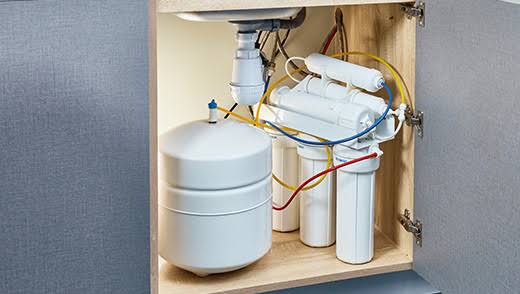
Absolutely. Today’s RO water purifiers are available in wall-mounted, countertop and under-sink designs, making them suitable for kitchens of different sizes. Choosing the right model depends on your available space, water source and daily water requirements.
Conclusion
An RO water purifier is an effective solution for households dealing with high TDS or dissolved contaminants in their water supply. Understanding how the technology works, when it is needed and how to maintain it can help you make a more informed decision. By selecting a purifier that matches your water quality and servicing it regularly, you can enjoy cleaner, safer and better tasting drinking water every day.
