

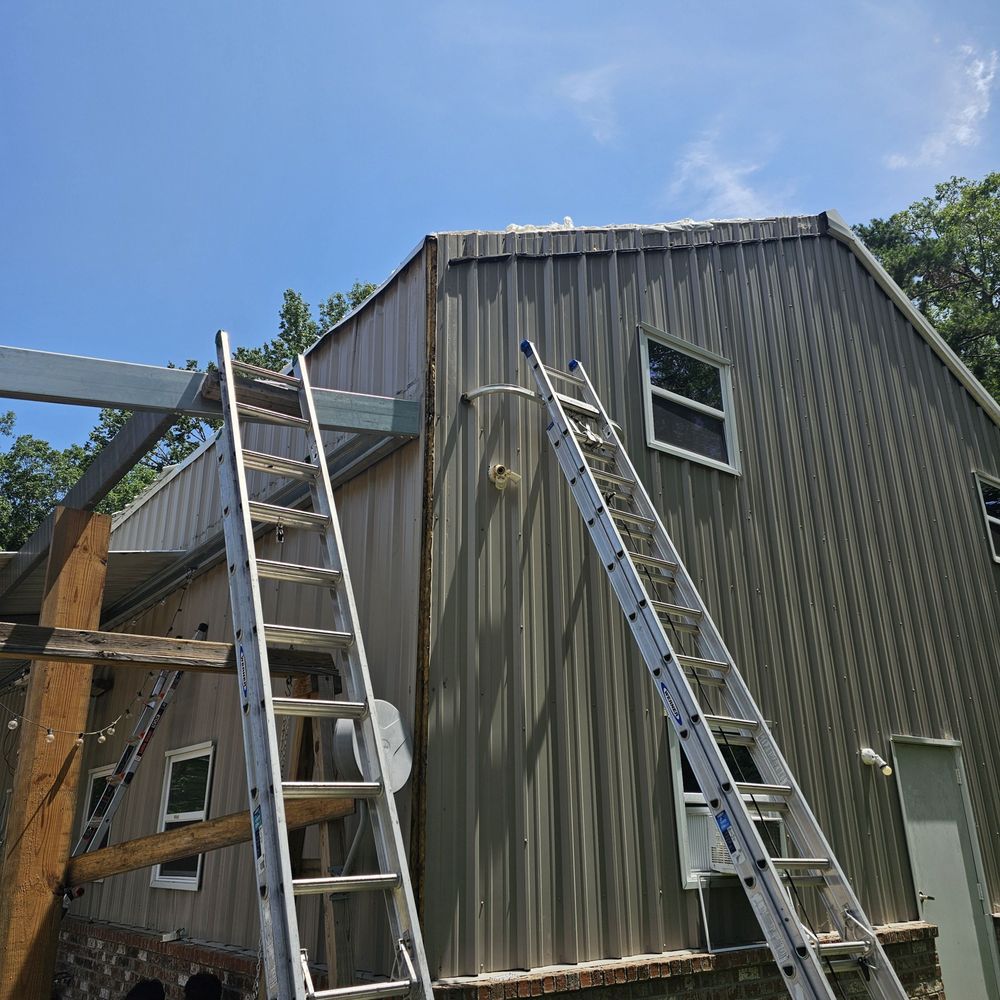
Understanding Roofing Needs in Gonzales
Roofs in Gonzales, Louisiana, must withstand heat, humidity, heavy rain, strong winds, and seasonal storms. These conditions can wear down shingles, flashing, sealants, underlayment, and drainage components over time. A roofing system that performs well in a different climate may require additional design or installation considerations in southeastern Louisiana.
Local knowledge is useful when selecting materials, evaluating storm damage, and planning repairs. J.E.S., Inc. roofing and restoration provides residential and commercial roofing, emergency repairs, roof replacement, storm response, water-damage restoration, and reconstruction services in Gonzales.
Property owners should consider more than appearance when planning a roofing project. Material compatibility, drainage, ventilation, wind resistance, installation requirements, and long-term maintenance all affect how a roof performs.
Why Local Roofing Experience Matters
Roofing requirements vary between locations. Contractors familiar with Gonzales understand how Louisiana’s climate can affect different roofing materials. They should also be able to explain applicable permitting requirements, installation standards, and practical options for the property.
Local experience can be especially valuable after a major storm. A contractor who regularly works in the area may be familiar with common damage patterns, local inspection procedures, and the materials typically used on nearby properties.
However, location alone does not establish a contractor’s qualifications. Property owners should still verify licenses, insurance, references, relevant experience, and warranty terms before approving work.
How Roofing Can Affect Property Value
A roof is an important part of a property’s condition and appearance. Buyers may view an aging or visibly damaged roof as a potential expense, while a properly maintained system can provide greater confidence in the property.
A replacement roof can also improve curb appeal when its color, profile, and material complement the home. The financial effect varies according to the local market, the condition of the previous roof, the selected material, and the quality of installation.
Homeowners should avoid relying on a fixed return-on-investment percentage. A roofing project may improve marketability, but it does not guarantee a particular resale price or a faster sale. A local real estate professional can provide more specific guidance about buyer expectations in Gonzales.
Recognizing Signs of Roof Damage
Some roofing problems are obvious, while others remain concealed until water enters the building. Property owners should monitor the exterior and interior for signs that professional attention may be needed.
Common warning signs include:
- Missing or displaced shingles: Exposed areas may allow water to reach the underlayment or roof deck.
- Cracked or curling shingles: Aging and weather exposure can reduce a shingle’s ability to shed water.
- Damaged flashing: Loose, corroded, or separated flashing may allow leaks around chimneys, walls, skylights, and roof penetrations.
- An uneven or sagging roofline: Visible changes in the roof’s shape may indicate decking or structural concerns.
- Interior water stains: Discoloration on ceilings or walls may be connected to roof, plumbing, HVAC, or condensation problems.
- Granules in gutters: Some granule loss is expected as asphalt shingles age, but excessive or uneven loss may require evaluation.
- Damaged gutters and downspouts: Poor drainage can expose fascia, foundations, and landscaping to excess water.
- Daylight visible from the attic: Openings may indicate missing materials, damaged decking, or gaps that require attention.
Homeowners should inspect from the ground and avoid climbing onto a damaged roof. Wet surfaces, loose materials, concealed openings, and electrical hazards can make roof access dangerous.
What to Do After a Storm
Safety should be the first priority after severe weather. If the property has visible structural damage, standing water near electrical systems, or unstable ceilings, occupants should remain clear of the affected area and seek professional assistance.
When conditions are safe, property owners can take the following steps:
- Photograph visible exterior and interior damage from a safe location.
- Record when the damage was discovered and which areas are affected.
- Notify the insurance company according to the policy’s reporting requirements.
- Contact a qualified roofing or restoration contractor for an inspection.
- Arrange emergency mitigation if water is entering the property.
- Keep estimates, invoices, photographs, and communications organized.
Emergency tarping, board-up work, water extraction, or dehumidification may be needed before permanent repairs begin. These measures can help limit additional damage, but they are temporary and should be followed by a complete assessment.
Choosing Between Roof Repair and Replacement
Not every damaged roof requires full replacement. Targeted repairs may be appropriate when the problem is limited and the surrounding roofing system remains in serviceable condition.
A contractor should consider:
- The roof’s age and maintenance history
- The location and extent of the damage
- The condition of the roof deck and underlayment
- Whether matching materials are available
- Previous repairs or recurring leaks
- Applicable building requirements
- The expected cost and service life of each option
- Manufacturer instructions and warranty conditions
Replacement may be more practical when damage is widespread, the roof is approaching the end of its service life, or repeated repairs no longer provide reliable protection.
Property owners should request a written scope of work explaining the recommended approach, materials, permits, project schedule, cleanup process, and warranty terms.
Preventive Roof Maintenance
Preventive maintenance can help identify small concerns before they lead to larger repairs. The National Roofing Contractors Association generally recommends inspecting roofs at least twice per year, preferably in spring and fall, and after severe storms.
A professional inspection may include:
- Reviewing shingles, tiles, panels, or roof membranes
- Checking flashing and roof penetrations
- Looking for loose or damaged materials
- Evaluating gutters, drains, and downspouts
- Checking sealants and exposed fasteners
- Examining the attic for moisture or ventilation problems
- Identifying debris, standing water, or vegetation
- Documenting areas that need maintenance or continued monitoring
Inspection frequency may need to increase for older roofs, properties surrounded by trees, or buildings exposed to repeated severe weather.
Common Maintenance Concerns
Clogged gutters can cause water to overflow near fascia boards, walls, and foundations. Gutters and downspouts should remain clear and securely attached.
Moss may retain moisture against certain roofing materials and should be addressed using methods appropriate for the roof. Algae typically causes discoloration, although treatment methods should still follow manufacturer recommendations.
Flashing requires particular attention because it protects vulnerable transitions and penetrations. Damaged flashing may allow water into areas that are difficult to see from inside the property.
Maintenance should be performed carefully. Pressure washing, harsh chemicals, and incompatible coatings can damage some roofing products or affect warranty coverage.
Selecting Roofing Materials
The best roofing material depends on the structure, roof slope, budget, appearance, and local weather exposure. Installation quality and compatibility with the rest of the roof assembly are as important as the visible surface material.
Asphalt Shingles
Asphalt shingles are widely used because they are available in many styles and price ranges. Homeowners in storm-prone regions may consider products tested for wind and impact resistance.
Shingles must be installed according to the manufacturer’s fastening and underlayment requirements. Proper edge details and flashing also contribute to performance.
Metal Roofing
Metal roofing can provide durability and effective water shedding when properly designed and installed. Available options include exposed-fastener and concealed-fastener systems.
The panels, fasteners, seams, flashing, and roof edges must be appropriate for the property and expected wind exposure. Metal roofing may also provide energy benefits when suitable coatings and insulation are used.
Clay and Concrete Tile
Clay and concrete tiles can provide a distinctive appearance and a long service life. However, their weight may require a structural evaluation.
Tiles must also be attached according to local wind requirements. Broken or displaced tiles should be addressed promptly to protect the underlying roofing components.
Roofing and Energy Performance
A roof can affect indoor comfort and energy use, but installing new roofing does not automatically lower utility bills. Energy performance depends on several parts of the building working together.
Relevant factors include:
- Roof color and solar reflectance
- Insulation levels
- Air sealing
- Attic ventilation
- Moisture control
- Window performance
- HVAC condition and efficiency
Reflective roofing materials may help reduce roof-surface temperatures in warm climates. Appropriate insulation and air sealing can also limit heat transfer between the roof area and occupied spaces.
Before selecting an energy-focused upgrade, homeowners should ask how the proposed material works with the existing roof assembly. They should also confirm that ventilation changes will not create moisture or condensation problems.
Understanding Roofing Warranties
Roofing warranties vary by material, manufacturer, contractor, and installation method. Some warranties address manufacturing defects, while workmanship warranties cover certain installation-related problems.
A warranty may exclude storm damage, improper maintenance, unauthorized repairs, or alterations made after installation. Homeowners should review:
- What materials and components are covered
- Whether labor is included
- The length of coverage
- Transfer requirements
- Maintenance obligations
- Claim procedures
- Exclusions and limitations
Warranty documents, invoices, inspection reports, and maintenance records should be kept together in a secure location.
Choosing a Roofing Contractor in Gonzales
A qualified contractor should be able to explain the property’s condition, present practical options, and provide a detailed written proposal.
Before signing an agreement, homeowners should verify:
- State and local licensing requirements
- General liability and workers’ compensation insurance
- Experience with the proposed roofing material
- Familiarity with storm-damage restoration
- References and verified customer reviews
- Manufacturer certifications when applicable
- Written warranty terms
- Payment schedule and project timeline
- Cleanup and disposal procedures
- Who is responsible for obtaining permits
Be cautious of contractors who demand full payment upfront, pressure homeowners to sign immediately, or guarantee insurance approval. Coverage decisions are made by the insurance company according to the policy.
Protecting Your Property for the Long Term
A reliable roofing system begins with informed material selection and professional installation. Its performance also depends on drainage, flashing, ventilation, structural connections, and ongoing maintenance.
Gonzales homeowners should arrange inspections after severe storms and address signs of damage promptly. Keeping records of repairs, maintenance, warranties, and inspections can also make future decisions easier.
Whether a property needs a minor repair, emergency mitigation, or complete roof replacement, a careful assessment is the best starting point. The goal should be a solution that fits the building, local conditions, and the owner’s long-term plans.
Frequently Asked Questions
How often should a roof be inspected?
Many roofing professionals recommend inspections twice per year, preferably in spring and fall, and after severe storms. The appropriate schedule may depend on the roof’s age, material, condition, and manufacturer requirements.
Can homeowners inspect storm damage themselves?
Homeowners can document visible damage from the ground, but they should not climb onto a storm-damaged roof. A qualified contractor can safely evaluate the roof surface, flashing, decking, and other components.
Does a new roof always increase property value?
A new roof can improve condition and curb appeal, but the financial effect varies by property and market. It does not guarantee a specific resale return.
Can replacing a roof lower energy bills?
It may help when the project includes appropriate materials, insulation, ventilation, or air sealing. Roofing material alone does not determine the property’s energy performance.
How can homeowners determine whether to repair or replace a roof?
The decision depends on the roof’s age, damage extent, previous repairs, deck condition, available materials, and expected cost. A professional inspection can help compare the options.
What roofing materials work well in Louisiana?
Asphalt shingles, metal roofing, and tile can all be suitable in Louisiana when selected and installed for the structure and local weather exposure. The complete roofing system should comply with applicable requirements.
What should homeowners look for in a roofing contractor?
Verify licensing, insurance, experience, references, warranty terms, and the written scope of work. Avoid contractors who use high-pressure sales tactics or make unsupported guarantees.
What should homeowners do if water enters the property?
Move away from unsafe areas, protect belongings when possible, document the damage, contact the insurer, and arrange emergency mitigation. Do not enter areas with electrical hazards or unstable ceilings.
Useful Resources
- National Roofing Contractors Association – Roofing maintenance, technical information, and contractor resources.
- Federal Emergency Management Agency – Disaster preparation and recovery guidance.
- Insurance Institute for Business & Home Safety – Research and recommendations for weather-resistant properties.
- U.S. Department of Energy – Information about roofing, insulation, and building energy performance.
- National Association of Realtors – Housing-market and remodeling research.
- U.S. Department of Housing and Urban Development – Housing, repair, and consumer resources.
