

When you have passed a boutique studio in Melbourne or Perth, you would have probably noticed lines of smooth reformers and fans sweating through a power session. Nonetheless, when you are healing after an injury, or you are going through the dynamics of prenatal care, you may have been referred to a physiotherapist to do Clinical Pilates. Although they are related to each other, the distinction between the two is huge.
Knowing the Core Philosophy
Fitness Pilates is aimed at the general population at its core. It is an all-body workout that is high-energy and aimed at toning the muscles, improving flexibility and cardiovascular stamina. Classes tend to be one-size-fits-all in that each participant takes part in the same sequence of movements.
Clinical Pilates, on the other hand, is a medical intervention. It is a set of exercises which are designed based on the pathology, biomechanics and physical objectives of a person. Instead of treating a generic burn, the goal is to treat underlying imbalances or rehabilitation requirements.
The Role of Professional Supervision
The most pronounced contrast is the person in charge of the session.
Fitness Pilates: It is often conducted by trained fitness experts. They are specialists in motivation and choreography, but they might not be trained to deal with acute injuries.
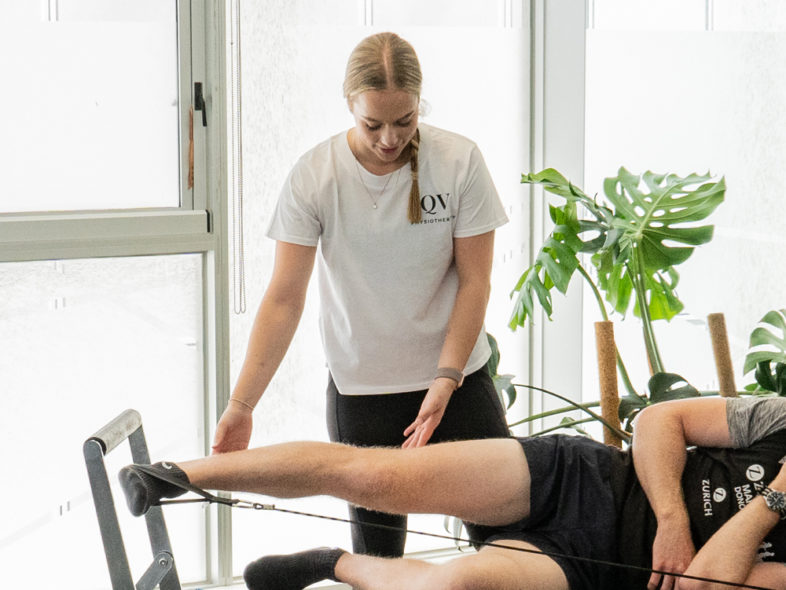
Clinical Pilates: It is performed by clinicians of the university who are qualified, as in the case of Physiotherapists. This makes sure that all movements are filtered in terms of safety and effectiveness according to your medical history.
Specialised Applications: Pregnancy Pilates
The clinical approach prevails in one area, that is, in the years of childbirth. The difference between Pregnancy Pilates in the clinic and a normal gym classroom is enormous. Due to the rapid hormonal and structural changes that occur in the body, including joint laxity and a change in the centre of gravity, a clinician can adjust exercises to avoid Pelvic Girdle Pain (PGP) and safely strengthen the pelvic floor. This specific practice will keep expectant mothers on the move without straining or causing them harm.
Individualised Equipment and Progress
When in a clinical setting, you are not a mere face in the crowd. You get a custom-made program which may involve the use of Reformer, Cadillac or Wunda Chair in a manner that is particular to your recovery. Depending on the pain levels and physical feedback, the exercises are modified in real-time, whether you are rehabilitating a herniated disc or dealing with a chronic condition.
Summary
Although Fitness Pilates is a fantastic method of maintaining a healthy body, Clinical Pilates is the best among all the methods of providing a therapeutic touch to individuals in need. By incorporating the old values with new physiotherapy, it offers a safe, evidence-based journey to healing and permanent physical stability.
