

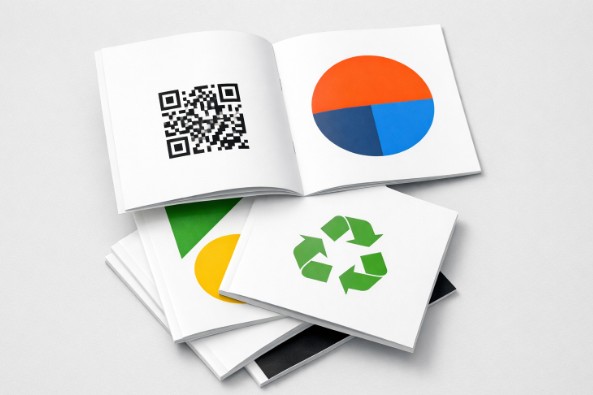
In the ever-evolving world of print media, creative booklet design continues to set brands apart and drive engagement in 2026. Staying current with design trends helps ensure your materials cut through the noise, deliver information clearly, and leave a lasting impression. With a blend of classic principles and fresh innovations, today’s best booklet designs strike a balance between functionality and style, whether you are publishing reports, event guides, or marketing collateral. If you want booklets delivered to your location, understanding the latest trends will help you make informed and creative decisions for your next project.
Trends this year emphasize minimalist layouts, bold graphics, eco-conscious production, and cutting-edge digital enhancements that connect physical and online experiences. Forward-thinking designers are also embracing greater personalization, sophisticated shapes, and inclusivity to ensure every reader feels seen and valued.
As design technologies and consumer expectations evolve, so do the creative possibilities for strong booklet presentations. Laying out your next project with these strategies in mind ensures content is both attractive and impactful. Companies that invest in these design trends can effectively drive action, spark interest, and showcase their commitment to innovation.
Embracing Minimalism in Booklet Design
Minimalist principles remain a cornerstone of sophisticated booklet design in 2026. By clearing away unnecessary decorations and focusing on ample white space, readers can better absorb key messages and navigate content with ease. This approach helps reduce visual fatigue, encourages scanning, and ensures important information does not get lost in clutter.
Designers are moving beyond just simple fonts and neutral palettes. The newest minimalist booklets often incorporate high-impact focal points, precise alignment, and contrast to ensure every element feels intentional.
Bold Typography and Custom Illustrations
Typography is no longer just a vehicle for conveying text; it is now a statement piece within booklet layouts. Designers are leaning into oversized headers, unique typefaces, and contrasting font weights to highlight essential insights and calls to action. These creative treatments help catch a reader’s attention and guide them smoothly through the content.
A rising trend is pairing these typographic features with custom illustrations, hand-drawn elements, and bespoke icons. Instead of relying on stock imagery, organizations are using original graphics that reflect their brand personality and story. This approach enhances the booklet’s uniqueness and visual appeal, especially in competitive spaces such as product catalogs or event booklets.
Focus on Eco-Friendly Materials and Sustainability
Environmentally responsible booklet creation is no longer just a niche offering, but a central expectation. Using recycled papers, soy-based inks, and sustainable binding methods shows a dedication to both quality and planetary health. Organizations that prioritize eco-friendly production practices can minimize their ecological impact and connect with consumers who value sustainability.
Highlighting sustainable processes in your booklet’s content, such as through a footer or an acknowledgments page, can further demonstrate transparency and commitment. As regulatory pressure and consumer awareness grow, this focus may even help set your brand apart in markets where green business practices are increasingly a prerequisite.
Integrating Interactive Elements
Booklets are bridging the gap between print and digital through interactive elements. Features like QR codes, augmented reality triggers, and scannable links make it easy to transition from paper pages to video content, additional web resources, or contact forms. Not only do these enhancements drive user engagement, but they also enable measurement of campaign results and the personalization of reader journeys.
Interactive print design can transform a static booklet into a gateway for deeper learning or actionable outcomes, particularly in educational, event, or marketing content. Embedding clear calls to action and guiding users seamlessly toward digital connections ensures both immediate and ongoing audience engagement.
Utilizing Geometric Patterns and Shapes
The strategic use of geometric shapes and bold patterns adds dimension, energy, and movement to booklet layouts. Circles, triangles, grids, and abstract forms can frame content, separate sections, or draw attention to critical information. By building pages that flow visually, designers help sustain reader interest and direct focus without overwhelming the senses.
Integrating shape-driven design elements offers a way to stand out while preserving coherence and simplicity. This trend is especially effective in youth-oriented marketing booklets, event programs, or portfolios that benefit from a modern and playful feel.
Personalization and Inclusivity for Broader Reach
Today’s readers want content that resonates with their values and unique perspectives. Personalization can be as simple as customizing covers with names or targeted messaging, or as advanced as including dynamic content tailored to different audience segments. At the same time, inclusive design practices, including diverse imagery, accessible language, and easy-to-read layouts, ensure everyone feels welcome and valued.
Forward-thinking booklet creators are featuring photography and illustrations that reflect and celebrate their communities, while also ensuring their messaging is relatable and representative. These choices are especially important in education, nonprofit, and corporate diversity initiatives, where connection and trust matter deeply.
Conclusion
By keeping pace with evolving trends such as minimalism, bold design statements, sustainability, interactivity, and inclusivity, you can ensure your booklets not only look impressive but also perform powerfully for your audience. Leveraging these strategies supports brand growth, improves reader satisfaction, and future-proofs your print communications.
