

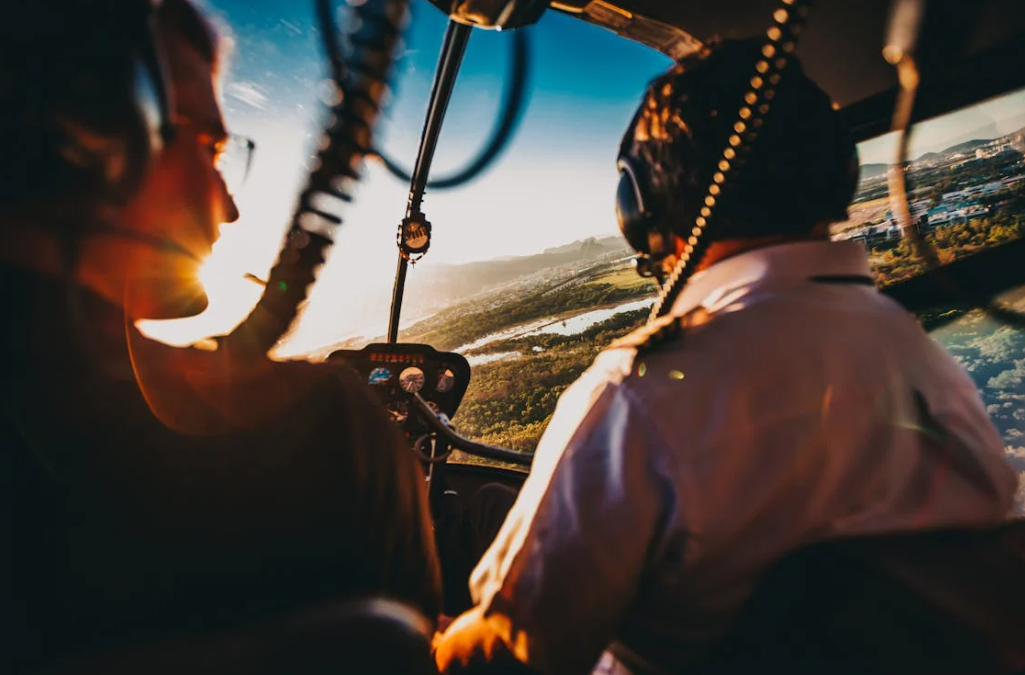
The aviation industry has experienced a remarkable transformation over the past several decades, and it’s hard to overstate just how revolutionary these changes have been. At the heart of this evolution lies avionics, the sophisticated electronic systems that function as the nervous system of modern aircraft. These integrated technologies haven’t just improved aviation safety; they’ve fundamentally redefined it, enabling pilots to make better-informed decisions, avoid potential hazards, and execute flight operations with a level of precision that would’ve seemed impossible just a generation ago. Understanding how avionics work and where they’re heading isn’t just fascinating, it’s essential for anyone who cares about aviation safety and technological progress.
The Evolution of Aviation Electronics
Think about how far we’ve come from the early days of flight, when pilots relied on little more than basic mechanical gauges and their own instincts. Avionics technology has evolved from those simple analog instruments to complex digital systems that process vast amounts of data in real-time. The introduction of radio navigation systems in the mid-twentieth century marked aviation’s first major technological leap, suddenly allowing pilots to determine their position and navigate accurately regardless of weather conditions, something that seems so basic now but was genuinely revolutionary then. When digital avionics arrived in the 1970s and 1980s, they brought computer processing power into the cockpit, enabling more sophisticated flight management and automated systems that changed everything.
Core Components of Modern Avionics Systems
Contemporary aircraft utilize an interconnected suite of avionics systems that work together in remarkable harmony to ensure safe operations. The flight management system serves as the central computer, constantly calculating optimal routes, fuel consumption, and performance parameters throughout the journey, think of it as the aircraft’s brain. Navigation systems have evolved beyond anything early aviators could have imagined, combining traditional methods with satellite, based GPS technology to provide accuracy within meters rather than miles. Communication systems have similarly transformed, moving beyond simple voice radio to include data link capabilities that allow aircraft to exchange information with air traffic control and other aircraft automatically, without human intervention.
Enhanced Safety Through Collision Avoidance Technology
One of the most significant safety advancements in modern aviation, and there’s really no close second here, has been the development of collision avoidance systems that actively monitor the airspace around an aircraft. The Traffic Collision Avoidance System, now standard equipment on commercial aircraft, uses transponder signals from nearby aircraft to calculate potential conflicts and provide resolution advisories to pilots in real, time. This technology has proven remarkably effective at preventing mid-air collisions, operating independently of ground-based air traffic control systems as a crucial backup layer of protection. Ground Proximity Warning Systems represent another critical safety innovation, alerting pilots when their aircraft approaches terrain or obstacles too closely for comfort.
The Role of Automation in Flight Safety
Automation in modern avionics has fundamentally changed the pilot’s role from hands-on controller to systems manager and decision-maker, a shift that’s brought both tremendous benefits and new challenges. Advanced autopilot systems can now handle takeoff, cruise, approach, and even landing procedures under appropriate conditions, maintaining flight parameters with precision that exceeds human capabilities during routine operations. However, this increased automation isn’t without its complications, including the genuine risk of pilots becoming over-reliant on automated systems or losing the manual flying proficiency that remains essential in emergencies. When conducting pre-flight inspections and system checks, professionals who need to test safe aircraft avionics in demanding operational environments rely on comprehensive diagnostic equipment to verify proper functionality. Modern avionics design philosophy now emphasizes keeping pilots engaged and aware, with systems that provide appropriate alerts without overwhelming the crew with excessive information that could actually hinder decision-making. The goal remains creating a genuine partnership between human judgment and machine precision, where each compensates for the limitations of the other rather than competing for control. Training programs have evolved accordingly, now focusing heavily on teaching pilots to manage automated systems effectively while maintaining the hands-on skills needed to intervene when automation fails or operates inappropriately.
Future Innovations Shaping Aviation Technology
The next generation of avionics promises capabilities that will further enhance flight safety and efficiency in ways we’re only beginning to understand. Artificial intelligence and machine learning algorithms are being developed to predict maintenance issues before they become critical, analyze weather patterns with unprecedented accuracy, and optimize flight paths in real-time based on constantly changing conditions. Synthetic vision systems project computer-generated terrain and runway imagery on cockpit displays, effectively allowing pilots to “see through” clouds and darkness using sensor data and terrain databases, it’s technology that would’ve seemed like science fiction just twenty years ago. The integration of satellite-based surveillance systems will enable more precise tracking of aircraft positions, allowing for reduced separation standards and significantly more efficient use of increasingly crowded airspace.
Training and Human Factors Considerations
As avionics systems grow more sophisticated with each new generation, the training required to operate them effectively becomes increasingly important and complex, there’s simply no way around it. Pilots must now understand not just how to fly an aircraft manually but also how to program, monitor, and intervene with multiple automated systems working simultaneously, sometimes in ways that aren’t immediately obvious. Modern flight training emphasizes systems knowledge and situational awareness, teaching pilots to recognize when automation is functioning correctly and, perhaps more importantly, when human intervention becomes necessary to prevent a bad situation from becoming worse. The challenge lies in maintaining the delicate balance between leveraging the safety benefits of advanced avionics while preserving fundamental piloting skills that remain absolutely essential during system failures or unusual situations that fall outside normal operating parameters.
Conclusion
The remarkable advancement of avionics technology has transformed aviation into the safest mode of transportation in human history, with accident rates continuing to decline even as air traffic volumes increase year after year. These sophisticated electronic systems enhance every aspect of flight operations, from navigation and communication to collision avoidance and automated flight control, working together in ways that create multiple layers of protection. Looking forward, the continued evolution of avionics promises even greater improvements in safety, efficiency, and capability, driven by innovations in artificial intelligence, data processing, and sensor technology that we’re only beginning to explore. However, it’s crucial to remember that the human element remains central to aviation safety, and the most effective approach will always combine advanced technology with well-trained, engaged pilots who understand both the capabilities and limitations of their aircraft systems.
