

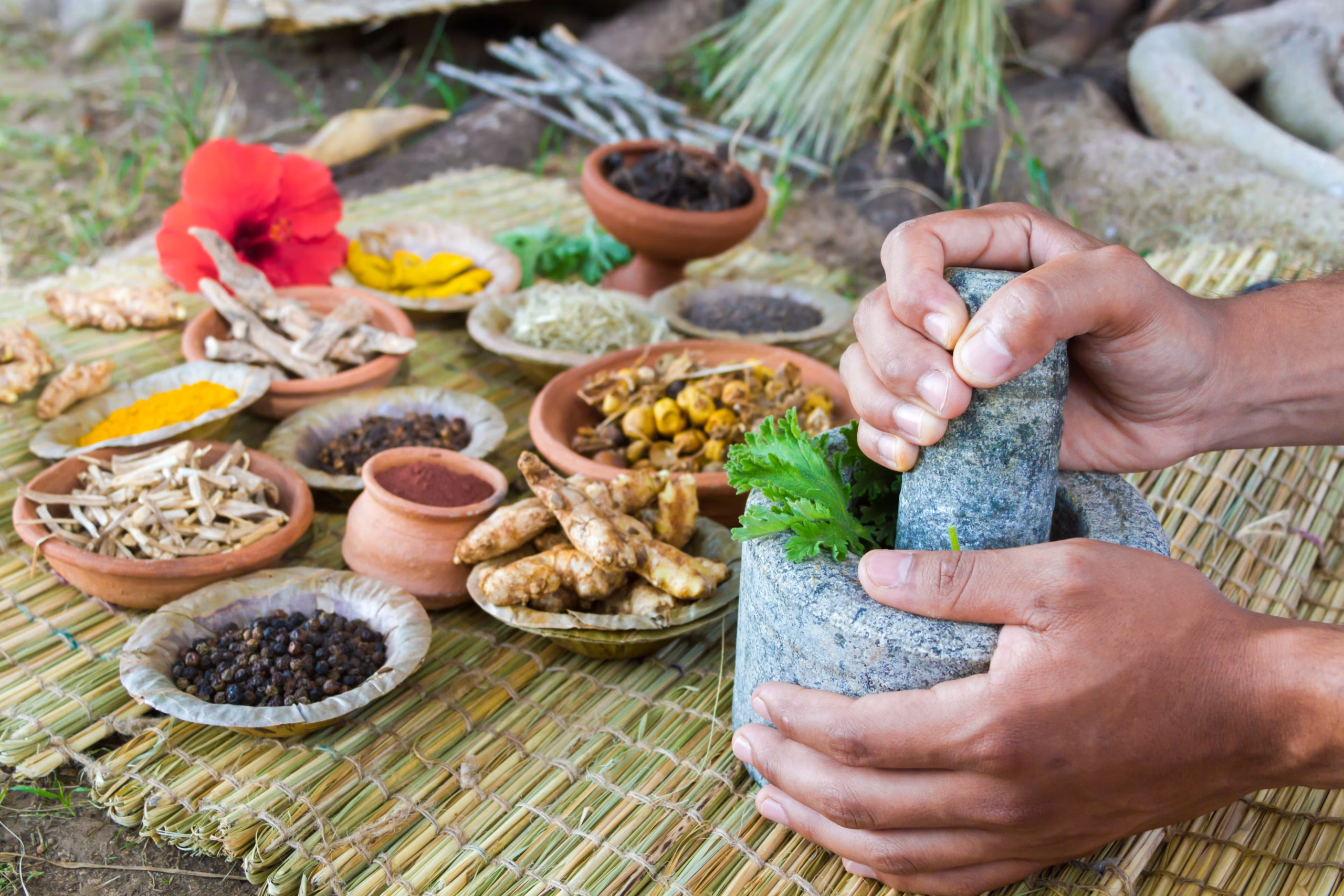
Growing up in India, your grandma had a fix for everything: warm ghee for strength, a bit of turmeric for cuts, tulsi leaves for coughs, and ajwain water for tummy troubles. Simple, right? These everyday things came from traditional herbal remedies, and people still use them because they actually help. Now, with resources like Ask Ayurveda, these old habits are coming back in a big way.
Why is turmeric still a hit in India?
Turmeric is a staple in every Indian kitchen. You toss it in dal or veggies almost without thinking, but it does a lot. Not only does it help your body in fighting off stuff and heal cuts faster, it also has cooled things down in case you were inflamed. Many people have haldi doodh at night before sleeping to cool down. When its paste is applied to your skin, that also makes you look nicer. Familiar, simple, cozy. That is no doubt why it remains a favorite in India.
Why do Indians swear by Tulsi for feeling good?
Tulsi is easy to grow at home, maybe near the door or on the balcony. Just the smell feels good. People chew the leaves first thing or make tea when they feel a cold coming. Tulsi helps you breathe, eases stress, and keeps you calm. Even a small pot makes things feel peaceful. It’s like having a little protector around, so families keep it close.
How does ashwagandha help with daily life in India?
With crazy cities, long commutes to work, and stress increasing, ashwagandha is a big deal nowadays. It helps you relax, sleep better, and your energy is steady. Many Indians take it when things get tough, like during exams or a heavy work stretch. It doesn’t act immediately, but if you keep taking it regularly, you become strong, both body and mind. It’s like a friend that keeps you centered.
Why does everybody in India still love amla?
Amla is rich in vitamin C. In India, you see it in murabba, juices, chyawanprash, and hair oils. It helps your stomach, keeps your skin happy, and makes your hair strong. Many Indians eat a lot of amla to keep themselves healthy, particularly during a change of seasons.
Why do Indians still use neem so much?
Neem is potent, bitter, and strong. It’s kinda rough to take, but it works. Indians use neem for skin care, to purify their blood, and to fight infections. People boil neem leaves in water to bathe in summer to cool their skin and fight rashes. Some folks chew the leaves or drink neem water to help their stomach and stay healthy. It’s one of those herbs that show how simple can also mean strong.
What does ginger have to do with Indian homes?
Ginger is just part of life in India. You find it in chai, curries, kadha, and soups. It helps your stomach, enables you to breathe, and keeps you warm in winter. If someone’s coughing, ginger and honey are like magic. The strong smell and warmth of ginger have great value during changes in the weather in India. It’s a favorite because it digests well and calms your stomach.
Want an easy way to use these herbs in your routine in India?
If you don’t know how to mix herbs or how much to use, Ask Ayurveda makes choosing the right stuff easier. It keeps it simple so that you can incorporate these old Indian fixes into your life hassle-free.
Ready to bring back India’s old-time herbs into your life? All you need to do is start small: add a pinch of turmeric to your warm milk, crush some ginger into your chai, chew a tulsi leaf in the morning, drink some amla juice. These little things build better health over time. A reason why India’s herbal knowledge still exists is that it works. Just try it; if you like it, let it help you feel good every day.
