

Introduction
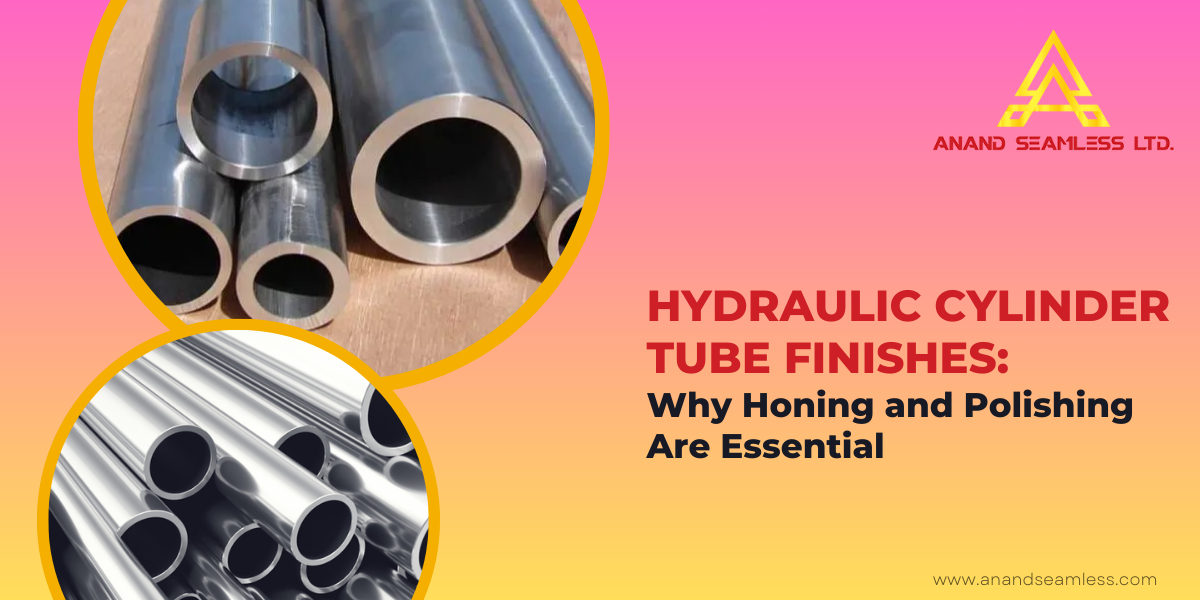
Honing tubes play a crucial role in industries such as hydraulics, automotive, aerospace, and construction. These tubes undergo a precision honing process to achieve the desired internal surface finish, accuracy, and durability. However, the cost of manufacturing honing tubes can vary significantly based on multiple factors. For businesses that rely on these products, understanding the pricing components can help in making cost-effective procurement decisions. In this article, we will break down the key elements that influence the cost of honing tubes and how honing tube manufacturers determine pricing.
1. Raw Material Costs
The primary factor influencing the cost of honing tubes is the raw material used in their production. Manufacturers typically use carbon steel, stainless steel, or alloy steel, depending on the application requirements.
- Material Type: High-grade materials such as stainless steel and alloy steel tend to be more expensive than carbon steel due to their superior durability and corrosion resistance.
- Material Sourcing: Sourcing raw materials locally can be cheaper than importing, but this depends on market availability and global pricing trends.
- Market Fluctuations: The cost of steel and other metals fluctuates based on global supply and demand, affecting overall production expenses.
2. Tube Manufacturing Process
The method used to produce the tubes also plays a significant role in determining their cost. There are two primary ways to manufacture honing tubes:
- Seamless Tubes: These tubes are made without a welded seam, offering higher strength and uniformity. However, the production process is more complex and costly.
- Welded Tubes: These are made by rolling and welding metal sheets. While they are generally cheaper than seamless tubes, they may require additional finishing processes, increasing overall costs.
3. Honing Process and Precision Requirements
The honing process itself is a major cost factor. It involves removing a minimal amount of material from the inner surface to achieve precision finishing. The following elements contribute to honing costs:
- Tolerance Levels: The tighter the tolerance, the more time and precision are required, increasing manufacturing costs.
- Surface Finish Requirements: Applications requiring ultra-smooth finishes demand more honing passes, which adds to production time and labor costs.
- Honing Equipment and Tools: High-quality honing machines and specialized abrasives increase costs but result in superior tube performance.
4. Labor and Operational Costs
Labor costs are a significant component of honing tube pricing. Skilled workers are required for operating honing machines, quality control, and ensuring the tubes meet industry standards. The cost of labor varies by region and expertise level. Additionally, operational costs include:
- Electricity and Utilities: Honing machines consume energy, and high power costs contribute to manufacturing expenses.
- Factory Overheads: Rent, maintenance, and administrative costs also impact the final product price.
5. Quality Control and Testing
Reputable honing tube manufacturers invest in stringent quality control measures to ensure the tubes meet required standards. Some of the essential testing procedures include:
- Dimensional Accuracy Testing: Ensuring the tube meets specified diameter and wall thickness requirements.
- Surface Roughness Testing: Measuring the smoothness of the honed surface.
- Hydrostatic and Pressure Testing: Checking for leaks and strength integrity.
More extensive testing procedures increase production costs but ensure superior product reliability and performance.
6. Customization and Special Requirements
Customization requests, such as specific tube lengths, coatings, or additional machining, also impact the cost. Custom features may include:
- Special Coatings: Anti-corrosion coatings like zinc plating or nickel coating increase durability but add extra expenses.
- Non-Standard Sizes: Custom sizes require unique tooling or adjustments in production, increasing material waste and costs.
- Special Material Grades: Some industries require high-performance alloys, which can be significantly more expensive than standard materials.
7. Supply Chain and Logistics
Transportation and delivery costs also contribute to the final pricing of honing tubes. Factors that affect logistics costs include:
- Distance from Manufacturer to Buyer: Local sourcing reduces shipping costs compared to international procurement.
- Mode of Transport: Air freight is costlier than sea or land transport but may be necessary for urgent orders.
- Packaging and Handling: Secure packaging prevents damage during transit but adds to the overall cost.
8. Market Demand and Competition
Market conditions influence pricing in multiple ways:
- High Demand: When demand for honing tubes is high, manufacturers may increase prices due to limited supply.
- Competition Among Manufacturers: A highly competitive market may lead to price reductions or bulk discounts.
- Global Economic Trends: Economic factors like tariffs, trade restrictions, and raw material shortages can drive prices up.
9. Bulk Orders vs. Small Quantities
Purchasing honing tubes in bulk typically results in cost savings due to economies of scale. Manufacturers often offer discounts for large orders, as it reduces production setup costs and increases efficiency.
10. Compliance with Industry Standards and Certifications
Honing tubes used in industries such as aerospace, medical, and hydraulics must comply with strict industry standards like ISO, ASTM, and ASME. Meeting these certifications involves rigorous quality checks and documentation, adding to the production cost.
Conclusion
Understanding the various factors that influence honing tube costs can help businesses make informed purchasing decisions. From raw material selection and manufacturing techniques to labor expenses and quality control, each aspect plays a role in determining the final price. Reputable honing tube manufacturers balance quality and cost-effectiveness to provide high-performance products while ensuring compliance with industry standards. By analyzing these cost factors, buyers can optimize their procurement strategies and select the best suppliers for their needs.
