

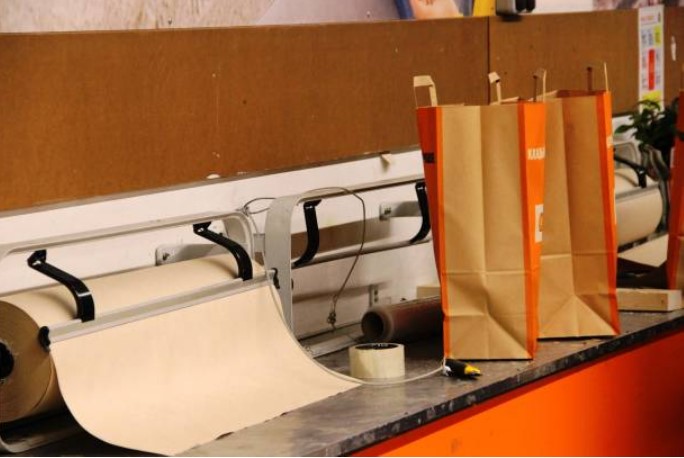
The world is talking about ways to reduce waste, and paper is stepping into the spotlight as a safer packaging choice. Because of this, manufacturers and packaging companies are swapping out plastic for paper more than ever. Inside this green push, paper bag making machines have moved from nice-to-have to must-have, helping factories make bags that pass strict rules and still please shoppers.
These clever machines turn big rolls of paper into tough, good-looking bags that stores, cafes, farms, and other businesses rely on daily. Whether a shop needs roomy grocery sacks or a stylish take-home bag, paper bag machines offer quick, flexible lines that keep plastic alternatives flowing.
KTETGROUP offers a selection of paper bag making machines designed to serve industries looking to scale eco-conscious packaging operations without compromising speed or versatility.
Why Paper Bags Are Gaining Popularity in B2B Packaging
Around the world, businesses that make and ship goods feel rising pressure to cut plastic waste, use materials people can recycle, and meet tougher green rules. Because paper bags tick those boxes, they’ve become a top choice:
- They break down naturally and recycle easily.
- They are light yet surprisingly strong.
- They take color and logos really well.
- Most recycling bins and compost piles accept them.
For B2B firms, moving to paper packaging is not just a fad; it fits with plans for lasting eco gains and a stronger supply chain. These bags are now showing up in places far beyond shops, including farms that ship seeds, pharmacies that send medicine, and plants that pack food.
Also, being able to make bags in-house or source them from trusted printers with new equipment helps companies meet orders on time while keeping costs steady.
Types of Paper Bag Making Machines
Business owners pick paper bag machines based on the bags they want to make, whether that’s size, shape, or special feature. Here are the main types you’ll see on factory floors today.
Square Bottom Paper Bag Machines
Made for retail and food delivery, these lines turn sheets into bags with a flat base. That bottom lets the bag stand upright, so customers can stack groceries or baked goods easily. Many automatic models add printing, a clear window, or even carry handles in one pass.
V-Bottom Paper Bag Machines
Called sharp-bottom machines, they fold small bags for items like cookies, medicine, or tea satchels. Their build is usually straightforward and takes up less floor space, making them good for smaller shops.
Handle Attachment Machines
Working beside forming lines, these units stick on twisted rope or flat handles, giving shoppers a comfortable grip. Common uses range from brand-driven retail bags to sturdy take-out packages.
Roll-to-Bag Machines
Roll-to-bag lines feed paper reels straight into the bagger, cutting, folding, and sealing with little hands-on help. That speed marks them as the go-to choice for high-volume food plants or grocery chains that need thousands of bags a day.
Inline Flexographic Printing Integration
Many modern paper bag-making lines come with built-in flexo printers, letting companies brand or label bags as they’re formed. This on-the-fly printing cuts cost and time, making it a must-have for businesses doing large runs of private-label or custom packaging.
Key Considerations When Selecting a Paper Bag Machine
When B2B firms pick a paper bag machine, they need to look beyond numbers and check how well the gear fits their entire operation. Here are the main things to weigh:
- Production Speed: Some machines turn out 100 bags a minute, while high-end models push past 600, so speed should match demand.
- Bag Dimensions: Wider, longer, or deeper gussets mean a machine with quick-change tooling handles the full product range.
- Material Compatibility: Coated, kraft, or recycled papers must feed smoothly without jams or tears to keep quality steady.
- Automation Features: PLC controls, servo drives and sensor-guided folding cut labor costs and keep output predictable.
- Energy Consumption: Green systems sip power, shrink bills, and help brands meet their sustainability claims.
- Maintenance and Serviceability: Spare parts should be easy to reach, and responsive service must be part of the contract to protect nonstop production.
KTETGROUP supplies flexible, tailored equipment that helps customers tackle these challenges, no matter the industry or production scale.
Applications Across Industries
Paper-bag-making machines now fit into a lot more factories than many people think. Here are a few ways B2B companies put this tech to work every day.
Food and Beverage
Bakeries, chip makers, and grocery chains rely on paper bags for bread, snacks, fruit, and dry goods. Equipment has to pass strict hygiene checks and let printers use food-safe ink.
Pharmaceuticals
Clinics and pharmacies turn to paper bags for handing out over-the-counter drugs. Tamper-proof seals and a clean, sterile look are usually a must.
Apparel and Footwear
Stores and online brands now want paper bags for checkout and home delivery. Custom sizes, sturdy handles, and glossy finishes help keep logos front and center.
Agriculture
Farmers package seeds, grains, and fresh produce in paper that sits on shelves or gets shipped worldwide. Laminated layers and reinforced edges keep the load secure.
Hospitality and Delivery Services
Takeout surged, so restaurants use printed paper bags that show their name while keeping meals safe on the drive home.
KTET GROUPs https://www.ketegroup.com/es/product-category/paper-bag-making-machines/ gives those manufacturers the heavy-duty tools they need, staying precise with every print and fold.
Trends and the Future of Paper Bag Manufacturing
Sustainability now sits at the heart of many production plans, and paper bag manufacturing is no exception. The industry is moving forward in these key areas:
- Recyclable Coatings: Biodegradable barrier films keep grease out while still allowing the entire bag to be recycled.
- Digital Integration: Smart sensors, IoT tags, and adaptive speed motors cut waste and flag maintenance needs before they slow the line.
- Modular Upgrades: Retrofit kits for handle gluing or window cutting let factories expand capacity without buying all-new machines.
- Smaller Batch Runs: Demand for branded bags in limited colors pushes makers toward compact lines that change over quickly.
Taken together, these trends show that paper bags are more than a shipping tool; they carry brand values and social responsibility. Equipment that learns, adapts, and scales will define tomorrow’s packaging market.
Conclusion
Paper bag machines have outgrown the factory floor-they now build flexible, green packaging systems companies can count on. For B2B buyers, choosing the right setup clocks in with market trends, environmental rules, and tighter budgets.
By offering many machine setups and steady technical support, KTETGROUP gives businesses the freedom to make paper bags that fit every job and still show off their brand, today and tomorrow.
