

In today’s fast-paced professional environment, stress has become an almost unavoidable factor impacting productivity, decision-making, and overall well-being. Managing stress effectively is essential not only for maintaining personal health but also for fostering a more resilient and focused workforce. While stress can stem from various sources—tight deadlines, workplace conflicts, or unexpected personal challenges—implementing practical strategies can mitigate its effects and improve overall performance. Understanding the nature of stress and adopting evidence-based techniques can help individuals and organizations create healthier, more sustainable environments.
Prioritize Physical Health Through Exercise and Sleep
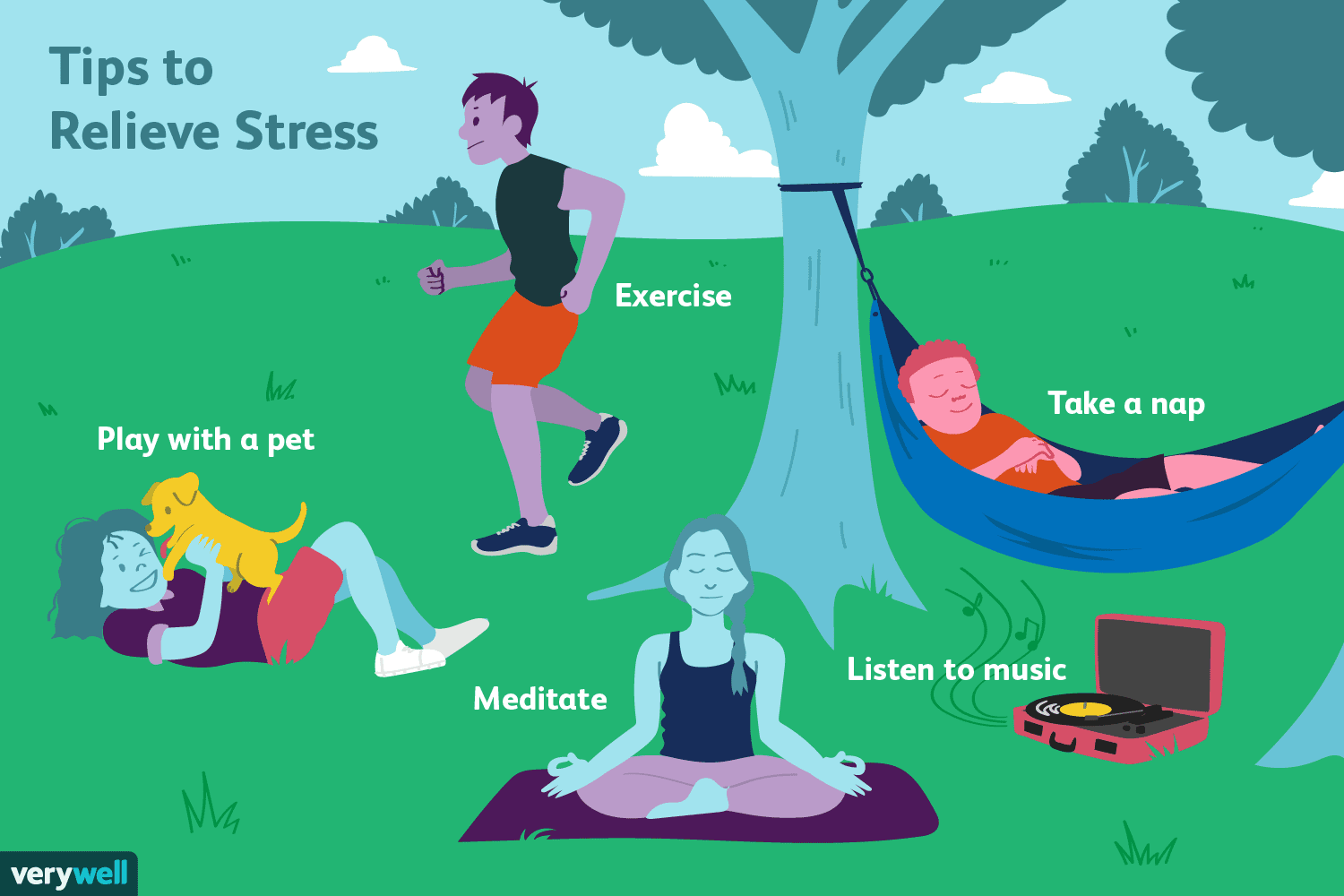
One of the foundational methods for reducing stress involves establishing consistent routines that prioritize physical health. Regular exercise, for example, is widely recognized as a natural stress reliever. Physical activity stimulates the release of endorphins, chemicals in the brain that act as mood enhancers, while also reducing levels of stress hormones like cortisol. Incorporating moderate exercise such as walking, cycling, or yoga into daily schedules can help regulate energy levels and improve mental clarity. For organizations, promoting physical wellness programs or encouraging movement breaks during the workday can contribute significantly to lowering employee stress.
Equally important is the role of sleep hygiene. Chronic sleep deprivation amplifies stress responses and impairs cognitive function, making it harder to cope with pressures. Creating a sleep-friendly environment—such as maintaining a consistent sleep schedule, using supportive bedding from https://rest.com/ , reducing exposure to screens before bedtime, and limiting caffeine intake in the afternoon—supports restorative rest. Individuals who prioritize quality sleep are better equipped to handle stressors effectively and maintain emotional balance.
Incorporate Mindfulness and Relaxation Techniques
Mindfulness and relaxation techniques serve as powerful tools in stress reduction. Practices such as meditation, deep breathing exercises, and progressive muscle relaxation help individuals develop greater awareness of their physiological responses to stress and learn to modulate them. These techniques encourage a pause in reactive behavior, fostering a calm and focused mindset. Many organizations have begun integrating mindfulness training into employee wellness initiatives, recognizing its benefits for concentration, creativity, and emotional regulation.
Implement Time Management Practices
Time management strategies are crucial for alleviating stress related to workload and deadlines. Prioritizing tasks, breaking large projects into smaller, manageable steps, and setting realistic goals can reduce feelings of overwhelm. Utilizing digital tools such as calendars, task lists, and reminders assists in maintaining organization and control over responsibilities. Encouraging a culture that respects work-life balance and discourages overwork further supports stress management by preventing burnout.
Prepare for Unexpected Stressors Including Car Accidents
In addition to these proactive strategies, it is important to acknowledge and prepare for unexpected stressors, including emergencies such as car accidents. Traffic incidents can be traumatic and disrupt daily routines, often leading to heightened anxiety and stress. Knowing how to respond calmly and effectively in such situations is essential. Drivers should prioritize safety, seek medical attention if necessary, and document the event accurately. Consulting a Minneapolis car accident lawyer can help those involved understand their rights and navigate the complexities of insurance claims or legal proceedings, reducing additional stress during a challenging time. Awareness of these resources contributes to a more prepared and resilient mindset.
Leverage Social Support Systems
Social support systems play a vital role in managing stress. Strong connections with family, friends, and colleagues provide emotional outlets and practical assistance. Open communication about stressors can lead to problem-solving and shared coping strategies. In workplace settings, fostering an environment of trust and collaboration encourages employees to seek help when needed and reduces the stigma often associated with stress or mental health challenges. Mentorship programs, peer support groups, and accessible counseling services can be valuable components of such an environment.
Engage in Leisure Activities to Recharge
Finally, cultivating hobbies and leisure activities is essential for emotional recharge. Engaging in creative pursuits, sports, reading, or spending time in nature offers meaningful distractions and fosters a sense of accomplishment and joy. These activities provide mental breaks from work-related pressures and contribute to overall life satisfaction.
Conclusion
Reducing stress requires a comprehensive approach that addresses physical health, mental well-being, time management, and social connections. By integrating regular exercise, quality sleep, mindfulness practices, and effective organizational habits, individuals can build resilience against stressors. Recognizing the importance of social support and being prepared for unexpected events, such as car accidents where a lawyer might be needed, further strengthens one’s ability to manage stress. Ultimately, creating an environment—both personal and professional—that prioritizes balance and proactive care leads to greater productivity, satisfaction, and long-term health.
