

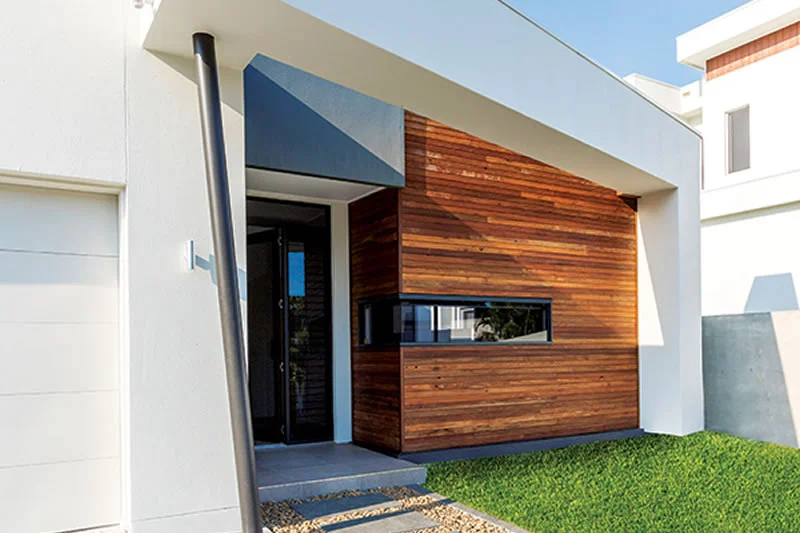
You’ve probably seen it. Maybe walking past a newly built home or tucked into a stylish café down a laneway. Warm-toned panels running vertically or horizontally, softening sharp edges and giving the space a certain… groundedness. That’s Timber Cladding. And lately? It’s everywhere.
Not in an overdone, mass-produced kind of way—but more like a quiet return. Like it never really left, just waited for everyone to catch up again. And now? Well, it’s back in the spotlight, shaping homes, studios, offices, and public buildings all over Australia.
Let’s talk about why.
A Material That Feels Human
There’s a quality to timber that steel and glass just can’t mimic. It’s more than surface—it’s sensory. Timber feels grounded. It softens light, carries warmth, and ages with grace rather than decay.
In a world increasingly shaped by cold materials and flat screens, people are reaching for texture—something tangible. Something honest. Timber Cladding brings that to a space. It doesn’t just wrap a building; it adds presence. A sense of calm. A quiet kind of character.
Whether it’s a breezy coastal getaway or a refresh of a suburban façade, introducing timber into the mix changes everything. The space breathes differently. It feels less clinical, more lived-in. More human.
Fits Modern and Classic Design—Somehow
One of the interesting things about Greenhill Timber Cladding? It doesn’t have a “style.” You’ll see it on clean, minimalist boxes in Byron Bay. But also on older cottages getting a refresh in Melbourne’s inner north. And both look great.
That’s because timber’s adaptable. Use a rough-sawn Blackbutt for a rustic feel. Or go with a sleek, oiled Spotted Gum for something more high-end and architectural. Vertical cladding can stretch a façade, making it look taller. Horizontal? Adds width and a relaxed, traditional touch.
There’s room to play. No two timber jobs look the same—and that’s the charm.
Sustainability’s Not Just a Buzzword
Here’s the thing—Timber Cladding isn’t just about looks. When done thoughtfully, it carries serious eco-cred.
See, timber naturally stores carbon. So when you choose responsibly sourced options—like certified Australian hardwoods or sustainably managed species—you’re not just building; you’re banking carbon. That’s a win. Unlike steel or concrete, which take a heavy toll on energy and emissions during production, timber starts in a forest and, well, forests grow back.
It’s why more architects are leaning into certified timber (think FSC, PEFC, and the like). Not just to tick a box, but because clients are asking the right questions. And honestly? Something is reassuring about knowing your dream façade isn’t just stunning—it’s sustainable too.
It Ages—But In a Good Way
We don’t often celebrate ageing, especially in buildings. But Timber Cladding does this beautiful thing over time. The sun hits it, the wind scuffs it a little, the rain adds its mark. And gradually, the timber weathers to a silvery-grey that looks… lived-in.
That soft fade? Some people pay extra for it. Others prefer to oil or seal their cladding regularly to keep the rich tones locked in. Personal choice.
Either way, the point is—timber doesn’t stay frozen in time. It evolves kind of like the home itself.
Not Just a Pretty Face
Sure, Timber Cladding is nice to look at. But it’s not just for show. It does stuff.
Good cladding protects your home from harsh weather, provides extra insulation, and can even help buffer sound if you’re near a road or noisy neighbours. It’s not just about the external walls either. Timber can be used for ceilings, internal feature walls, and even fencing to tie the whole look together.
Some newer systems even combine timber with clever underlays and concealed fixings, making them easier to install and more durable. So it’s not just a design choice anymore—it’s a performance one too.
People Want Homes That Feel Like Homes
You know what else is driving the Timber Cladding comeback? People are tired of cookie-cutter builds.
Not everyone wants a giant rendered box with oversized windows and grey everything. There’s a growing desire for materials that make a home feel lived-in from the start. Comfortable. Organic. Like it belongs to the land it’s sitting on.
Timber helps with that. It blurs the line between inside and out. And when paired with things like stone, brick, or glass, it elevates everything around it.
It’s Not Just for the Rich Anymore
Once upon a time, Timber Cladding was considered a high-end choice. And yes, some species still come with a bigger price tag. But more suppliers in Australia are offering affordable cladding systems—locally sourced, pre-treated, even pre-cut.
That means less waste, faster installs, and better value. Whether you’re building on a budget or going custom all the way, there’s likely a timber option that fits.
Final Thought
So, is Timber Cladding just a trend? Doesn’t look like it. It’s more like a rediscovery. A return to something timeless. Something that makes homes feel warmer, more human, and just a bit more connected to the land beneath them with Green Hill Timbers.
As design trends keep shifting—minimalist, maximalist, post-modern, post-whatever—timber stays relevant because it’s real. And in today’s world? That matters.
So next time you spot a home with soft timber lines running across its exterior, you’ll know—it’s not just a style choice. It’s a quiet statement. And it’s here to stay.
