

Motorsport fashion isn’t a passing fad; it’s a fast, bold movement that has broken into the mainstream and won over designers, celebrities, and fans everywhere. Why now? High-speed racing blends adrenaline, precision, and strong visuals in a way that feels modern and exciting.
From the smooth curves of a Formula 1 car to the standout branding on a race suit, these parts mix utility, identity, and raw energy that fit easily into clothing. It’s not just about a logo. It’s a lifestyle, a mindset, and a clear visual message. Whether you’re hunting for the latest Charles Leclerc merch or you simply like racing-inspired gear, the impact of motorsport on style is clear and lasting.
The pull of motorsport fashion comes from how it blends excitement with practical design. It supports both looks and function, borrowing from racetrack demands to create pieces that are striking and useful.
People today want real, meaningful choices in what they wear, and racing style delivers. Bold graphics, bright colors, and sleek shapes offer a lively option for anyone who wants to show a sense of speed, adventure, and individuality.
What Defines Motorsport Fashion?
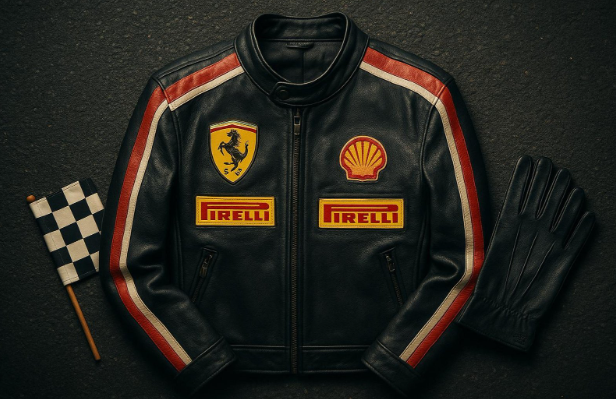
Motorsport fashion speaks a clear visual language drawn from racing. It goes beyond simple team logos and builds a full look. Core features include:
- Racing stripes and checkered patterns, echoing flags and car liveries
- Strong color blocking linked to famous teams (Ferrari red, Yamaha blue)
- Patches and sponsor logos that highlight the sport’s commercial spirit
It also leans on utility: slim shapes, tough fabrics, and details like zippers, buckles, and padded panels. These started as safety and performance features on the track and now add edge and practicality to daily wear. The final effect suggests speed, movement, and a quiet nod to the precision engineering behind racing.
How Does Motorsport Fashion Differ from Other Streetwear Trends?
Motorsport fashion shares comfort, graphics, and a rebellious vibe with streetwear, but it stands apart thanks to its direct link to a high-pressure, performance-driven space. That connection gives it a real story and depth that many trends don’t have.
Its focus on technical fabrics, ergonomic cuts, and safety-inspired details — even when used for looks — sets it apart. It signals readiness and capability rather than pure ease. Strong fan culture around teams, drivers, and races also adds identity and meaning. It’s more than clothing; it’s a badge of support.
The History and Origins of Motorsport Fashion Influence
The path from racetrack to runway has long roots in the glamour and danger of high-speed racing. From early days, the public loved the sport and the look of those who took part.
Early gear was built for function but had rugged charm. Leather helmets, goggles, and sturdy jackets protected racers and came to symbolize adventure. As motorsports grew, the style connected to it drew more eyes.
When Did Motorsport Style First Enter Mainstream Fashion?
Racing style has influenced clothing since the early years of the sport, but it picked up steam in the mid-20th century. In the 1960s, the “café racer jacket” took off. This sleek leather jacket with a single front and a short collar, often with stripes and color blocks, suited British riders racing from café to café. Lighter than the Schott Perfecto jacket made famous by Marlon Brando, it became a symbol of cool rebellion.
The stronger push onto runways began in the 2000s and grew fast in the 2010s. Films like Fight Club and The Fast and the Furious helped make racing jackets part of street style. By 2021, the influence was loud and clear on runways around the globe.
Key Figures and Moments That Elevated Racing Aesthetics
Many people and moments helped lift racing style. Early racing stars led the way with daring looks. Designer Betsey Johnson reworked the racer jacket in the late 1960s, and Christian Lacroix, Fiorucci, Donna Karan, and Thierry Mugler added their own spins. In the 1990s and early 2000s, Rick Owens played a major role in shifting the racer jacket from subculture to high fashion.
More recently, Netflix’s Formula 1: Drive to Survive brought drivers — including Lewis Hamilton, set to co-chair the 2025 Met Gala — into the center of pop culture, making racing gear a must-have. Stars like Rihanna, Kim Kardashian, Dua Lipa, Hailey Bieber, and Kylie Jenner showed off racing jackets online, fueling demand. Rosalía’s album Motomami also blends speed with style, fixing motorsport in today’s fashion language.
Celebrate the fusion of racing and fashion with authentic team gear and street-ready styles from Top Racing Shop — where motorsport heritage meets contemporary design.
Motorsport Aesthetics in Contemporary Fashion
Today, racing style is a steady force in fashion. Designers and shoppers are drawn to its energy and visual punch. It celebrates speed, power, and precision, turned into wearable statements that speak to people who want both style and substance.
Designers don’t just copy; they reinterpret functional details into high-fashion ideas. The result is a lively, growing space in fashion that keeps testing new ideas and capturing attention.
Signature Elements: Logos, Patches, and Racing Stripes
Motorsport fashion is easy to spot thanks to logos, patches, and stripes. Logos, often large and colorful, tie a piece to a team, sponsor, or series. They take center stage, much like graphics on a race car.
Patches bring texture and a sense of history, showing sponsors, team crests, or event badges. They can turn a jacket into a collectible. Racing stripes are flexible: they can sit quietly on a sleeve or run boldly across a piece, sending a clear signal of speed. Together, these parts create the high-energy look people connect with motorsport.
Why Racing Gear Appeals to Designers and Shoppers
Designers tap racing for ideas rooted in function and innovation. Aerodynamic shapes, strong materials, and ergonomic builds give a useful base for creative work. They can break apart and rebuild these features, merging performance wear with luxury.
Punn Viravaidhya, a rising designer from Istituto Marangoni London, reimagines racing gear by mixing function, performance, and identity, drawing on Japanese car culture and even using materials like car seat fabric and carbon fiber weave.
Shoppers like the mix of practicality, style, and identity. Built for performance, motorsport pieces work well for active lives and still look cool. The link to adrenaline, speed, and success makes them appealing. Wearing racing-inspired clothing helps people show confidence, a sense of adventure, and a tie to an exciting scene. It’s a bold visual choice that helps them stand out.
Designers and Brands Fueling the Motorsport Fashion Trend
This rise didn’t happen by chance; it came from clear choices by designers and smart partnerships between racing names and fashion labels. These links spark new ideas and help luxury brands reach new fans.
The outcome is a wave of collections celebrating precision, speed, and the drama of motorsport, turning it into a strong force in fashion today.
Which Fashion Houses and Designers Are Leading the Movement?
Big fashion names have embraced motorsport and turned track-ready looks into high-fashion pieces. Marc Jacobs explored racing themes as early as 2014, and Tommy Hilfiger did the same around 2018, channeling the energy and edge of racing. Major houses like Dior, Chanel, Balmain, Gucci, Givenchy, Alexander McQueen, Martine Rose, MM6, Celine, Balenciaga, Diesel, Stella McCartney, and David Koma have all shown racetrack-inspired items.
Istituto Marangoni alumnus Rocco Iannone led Ferrari’s ready-to-wear launch in 2021, blending high fashion with Scuderia colors. Honda appeared at Paris Fashion Week with bold bikercore looks. These moments show how luxury brands and individual designers are shaping and pushing this style forward.
Iconic Motorsport Collaborations and Licensed Merchandise
Partnerships and licensed gear broaden the reach of motorsport fashion and let fans wear their support with pride. These links bridge niche fandom and mainstream style.
| Brand/House | Racing Partner | Highlights |
| Louis Vuitton | Formula 1, McLaren | 10-year F1 deal; monogram on cars; limited capsule with racing-inspired pieces |
| Prada | Aston Martin | Sleek silhouettes tied to car design; helmets on runways |
| Yamaha, Monster Energy, Ducati | Team lines | Fan apparel mixing looks and function; strong identities and logos |
From team jerseys to driver gear, licensed products give fans a direct link to their heroes while spreading motorsport visuals far and wide.
From the Racetrack to the Runway: Motorsport Codes in High Fashion
Motorsport codes moved from pure function on the track — protection, aerodynamics, team ID — to high fashion because they are versatile and striking. What once served as gear for safety and speed is now celebrated for design value. This shift shows how engineering principles can inspire clothing in fresh ways.
The change isn’t just surface-level. Many designers study how racing gear works and turn those ideas into pieces that look bold and carry smart concepts. It’s where the precision of a pit stop meets the care of couture.
Motorsport-Inspired Pieces in Recent Runway Shows
Recent runways are full of motorsport references. Designers are making clear, confident statements. Leather racing jackets with stripes, color blocks, and dense logo layouts have taken center stage from Paris to New York. These are direct heirs to the 1960s café racer jackets and feel unavoidable in current fashion.
Beyond jackets, helmets show up as statement headpieces, and racing gloves, padded pants, and sleek shapes appear with tire-tread prints and auto-inspired details. This wide presence shows how deeply racing style has moved into luxury fashion, far beyond niche circles.
How Engineering Advances Inspire Fabric and Design Choices
Racing’s push for performance and safety brings new materials and methods that influence fashion. Lightweight, strong, and protective fabrics from racing suits inspire technical textiles in clothing. Carbon fiber weave, known from high-performance cars, now appears in collections like Punn Viravaidhya’s, showing a direct link from auto tech to fashion.
Aerodynamic thinking also shapes garment lines. Designers try streamlined cuts, paneling, and careful draping — sometimes inspired by car covers — to suggest speed and flow. Some even break down car images into parts and translate them into patterns and panels for clothing. The result connects engineering logic with style in a clear, modern way.
Bikercore, Streetwear, and the Rise of Racing Style
Racing style has spread across pop culture thanks to bikercore and streetwear. These movements helped turn motorsport codes into a look many people can wear and enjoy. Racing symbols adapt well and carry the bold spirit of rebellion and speed that powers these trends.
This mix has widened streetwear and brought motorsport into new conversations across cities, music, and digital spaces.
Why Streetwear Adopted Motorsport Elements
Streetwear grew from youth scenes, counter-culture, and a desire for real, honest style. Motorsport fits neatly into that. Strong graphics, obvious branding, and utility match streetwear’s core values. Racing gear, built for safety and risk, has a natural “cool” factor tied to danger and excitement.
The sponsor-heavy look of NASCAR and Formula 1 gave designers a ready set of visuals to use in new ways. It felt familiar yet fresh, tapping into shared interest in speed and competition. Tough materials like leather also match streetwear’s love for durable, comfortable clothing.
How Social Media and Celebrities Amplified the Trend
Social media and celebrity power pushed motorsport fashion into global view. Platforms spread looks instantly. When major stars like Rihanna, Kim Kardashian, Dua Lipa, Hailey Bieber, Julia Fox, and Kylie Jenner post racing jackets, millions take notice. These moments can turn niche pieces into fast-selling staples.
The Netflix series Formula 1: Drive to Survive played a key role by putting drivers and their style in front of new audiences. Musicians like Rosalía with Motomami, plus Offset and Metro Boomin in videos and covers, kept the momentum going. This mix of celebrity support and shareable visuals has driven demand for vintage racing jackets and quick-to-market versions alike.
Performance, Identity, and Cultural Relevance
At its core, motorsport fashion is about performance, identity, and cultural meaning. It taps into deep desires for speed, success, and belonging, and turns them into items you can wear. This personal and shared connection keeps the trend strong.
It helps people show who they are, join communities, and take part in bigger conversations about goals and achievement. Clothing becomes a canvas that reflects what makes motorsport exciting.
How Motorsport Fashion Reflects Individual and Group Identity
For individuals, racing-inspired clothing can signal a love of speed, tech, or competition. It helps project confidence and a go-getter attitude. Team colors, driver merch, or the choice of jacket can hint at personal taste and goals. Punn Viravaidhya’s work shows this clearly, drawing on his lifelong passion for modified Japanese cars and linking car mods to fashion as a way to show personal identity.
For groups, motorsport apparel builds connection. Fans wearing team colors and logos can spot each other and form instant bonds. It’s a way to take part in the sport off the track, creating a shared identity across countries and cultures.
The Cultural Symbolism Behind Racing Attire
Racing clothes carry strong symbols. At a basic level, they stand for speed, power, and adrenaline. Clean lines and bold graphics reflect the thrill of fast cars and cutting-edge tech. They also point to precision, discipline, and the pursuit of excellence that define motorsport. The careful engineering of cars and the training of drivers show up in the simple, functional look of the clothing.
In the US, racing jackets also tie back to rebellion and working-class roots, linked to NASCAR’s early history with bootleggers. In Europe, the racing jacket has a more “luxe history,” growing from couture ski wear.
Today, racing pieces can feel like power dressing, showing strength in a complex world. Sponsor-heavy designs connect to modern interest in branding and “digital sponsorships,” as scholar Monica Sklar has noted. In the end, racing attire taps into a heroic image many people want to channel.
Motorsport Fashion Beyond Clothing: Accessories and Lifestyle
The pull of motorsport goes past clothing and shapes accessories and lifestyle choices. This wide reach shows how deeply racing style has moved into daily life. It’s not just what you wear, but how you present yourself and your gear.
From headwear to tech, the spirit of speed and precision shows up in many small details.
Helmets, Gloves, and Other Iconic Accessories
Helmets and gloves, once purely safety items, now appear as bold fashion pieces. Designers rework helmets with rich materials and striking designs, turning them into head-turning accessories. This shift blends function with high fashion and adds a daring note to outfits.
Gloves with ergonomic cuts and bright colors bring authentic racing grit to photoshoots and styled looks. Beyond that, caps, watches, and eyewear often use stripes, team marks, and sleek shapes, letting people add small racing cues to everyday outfits.
Motorsport-Inspired Influence on Shoes, Bags, and Tech
Shoes pick up on racing’s sleek shapes and performance focus. Sneakers and boots may use technical materials, bold blocks of color, and tread-like soles. The result feels sporty and urban at the same time.
Bags follow suit: backpacks and duffels use tough fabrics, practical pockets, and clear logos. Even luxury handbags may feature stripes, checks, or hardware inspired by cars. Tech accessories like phone cases, smartwatches, and laptop sleeves often feature carbon fiber textures, racing colors, or team branding, bringing the love of speed into digital life. This spread across many product types shows how wide motorsport’s influence has become.
Why Motorsport Fashion Resonates with Pop Culture Today
Motorsport style fits today’s fast, visual, world. Its look of speed, precision, and bold self-expression feels current. It tells a story that mixes big drama with a clear sense of identity.
This is more than a quick wave. It reflects bigger shifts, especially for younger people who want honest style, community, and a recognizably their-own voice. It blends function with fashion in a way that feels real.
Functional Meets Fashion: The Allure of Utility and Aesthetics
People today value clothes that work hard and look good. Racing gear offers exactly that. Built for performance, it protects, supports movement, and handles tough use. When these traits move into fashion, they bring a direct, no-frills appeal.
That means pieces are striking, comfortable, and durable. Paired with the bold visuals of racing, the result is strong. It lets people wear a sporty, clean style that fits busy, active lives.
Impacts on Youth Culture and Future Fashion Directions
Motorsport fashion speaks loudly to Gen Z and helps shape what comes next. Bright graphics, clear team identities, and the spotlight on athletes give young people a way to express themselves and feel part of something bigger.
Social platforms and celebrity influence push these looks even further. Designers like Punn Viravaidhya keep building on racing ideas, mixing function, performance, and identity in fresh ways. Expect motorsport fashion to keep driving new ideas and shaping how we dress for years ahead. Speed, style, and cultural meaning can move together in a powerful way.
