

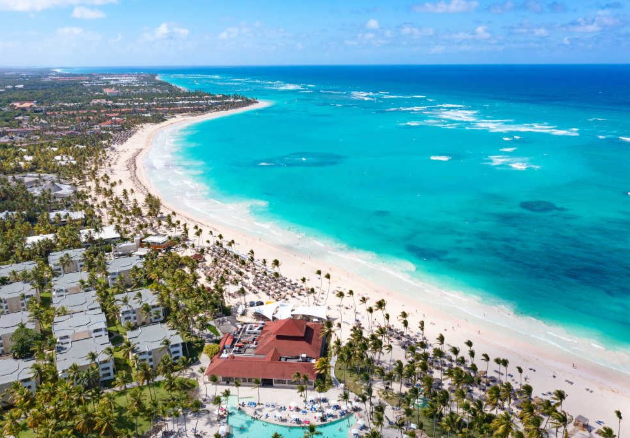
The Dominican Republic, with its stunning beaches, vibrant culture, and favorable climate, has become a hotspot for real estate investment. Whether you’re looking for a vacation home, a retirement retreat, or a lucrative investment opportunity, the country offers a wide range of properties, from luxurious villas and modern condos to sprawling land parcels. However, buying property in a foreign country can be a complex process, and it’s essential to approach it with careful planning and due diligence.
Here are some key things to keep in mind when purchasing property in the Dominican Republic.
1. Understand the Legal Framework
The Dominican Republic has a well-established legal system for property ownership, but it’s crucial to familiarize yourself with the local laws and regulations. Foreigners have the same property rights as Dominican citizens, which makes the process relatively straightforward. However, it’s highly recommended to work with a reputable local attorney who specializes in real estate transactions. They can help you navigate the legal requirements, ensure the property has a clear title, and verify that there are no outstanding liens or encumbrances.
One important document to obtain is the Certificado de Título (Title Certificate), which proves ownership. Additionally, ensure the property is registered with the Registro de Títulos (Title Registry) to avoid any disputes in the future.
2. Choose the Right Location
The Dominican Republic is diverse, with each region offering unique advantages. For instance:
- Cabarete is known for its vibrant expat community, water sports, and laid-back lifestyle.
- Las Terrenas boasts pristine beaches, a European flair, and a growing real estate market.
- Sosúa is popular for its nightlife, diving spots, and affordable property options.
Consider your lifestyle preferences, budget, and long-term goals when selecting a location. Proximity to amenities, healthcare facilities, and transportation hubs should also factor into your decision.
3. Set a Realistic Budget
While the Dominican Republic is generally more affordable than many other Caribbean destinations, prices can vary significantly depending on the location and type of property. Condos in gated communities, beachfront villas, and large land parcels each come with different price tags. In addition to the purchase price, factor in additional costs such as:
- Property taxes (typically low in the Dominican Republic)
- Legal fees
- Notary fees
- Registration fees
- Maintenance costs (for condos or gated communities)
Having a clear budget will help you narrow down your options and avoid overspending.
4. Work with a Reputable Real Estate Agent
A knowledgeable local real estate agent can be an invaluable resource when buying property in the Dominican Republic. They can provide insights into the market, help you find properties that meet your criteria, and guide you through the negotiation process. Look for agents with a strong track record, positive client reviews, and a deep understanding of the areas you’re interested in.
5. Visit the Property Multiple Times
If possible, visit the property multiple times before making a decision. This will give you a better sense of the area, the local community, and the property’s condition. It’s also an opportunity to explore nearby amenities, talk to neighbors, and get a feel for the lifestyle you can expect.
6. Understand the Buying Process
The property buying process in the Dominican Republic typically involves the following steps:
- Offer and Acceptance: Once you’ve found a property you like, you’ll make an offer. If accepted, you’ll sign a Contrato de Compraventa (Purchase Agreement).
- Due Diligence: Your attorney will conduct a title search and verify the property’s legal status.
- Closing: The final step involves signing the deed (Escritura de Compraventa) in the presence of a notary public and paying the remaining balance, taxes, and fees.
The entire process can take anywhere from a few weeks to a few months, depending on the complexity of the transaction.
7. Verify Property Ownership and History
Before making any commitments, thoroughly investigate the property’s history. Ensure the seller is the legitimate owner and that the property is free of legal disputes or unpaid taxes. Your attorney can assist with this process by conducting a title search and reviewing all relevant documents. It’s also a good idea to visit the property in person to assess its condition and confirm that it matches the description provided.
8. Consider Resale Value and Rental Potential
If you’re purchasing property as an investment, think about its resale value and rental potential. Properties in popular tourist areas like Cabarete, Las Terrenas, and Sosúa often have strong rental demand, especially during peak travel seasons. Look for features that appeal to renters, such as proximity to the beach, modern amenities, and security. Additionally, consider the long-term growth potential of the area, as infrastructure developments and tourism growth can significantly impact property values.
9. Be Aware of Zoning and Building Regulations
If you’re purchasing land with the intention of building, familiarize yourself with local zoning laws and building regulations. Some areas may have restrictions on the type of structures that can be built, the height of buildings, or the distance from the shoreline. Obtaining the necessary permits can be a lengthy process, so it’s essential to plan ahead and work with experienced professionals.
10. Factor in Currency Exchange Rates
Since most property transactions in the Dominican Republic are conducted in U.S. dollars, currency exchange rates can impact your budget if you’re paying in a different currency. Keep an eye on exchange rate fluctuations and consider consulting a financial advisor to minimize risks associated with currency conversion.
11. Plan for Ongoing Costs
Owning property in the Dominican Republic comes with ongoing expenses, such as:
- Property taxes (typically around 1% of the property’s assessed value)
- Homeowners’ association fees (for condos or gated communities)
- Utilities (electricity, water, internet)
- Maintenance and repairs
Make sure you’re financially prepared to cover these costs to avoid any surprises down the road.
12. Be Patient and Do Your Homework
Buying property in the Dominican Republic can be an exciting and rewarding experience, but it’s important to approach it with patience and thorough research. Take your time to explore different options, ask questions, and seek advice from professionals. Rushing into a decision can lead to costly mistakes.
Final Thoughts
The Dominican Republic offers a wealth of opportunities for property buyers, from beachfront condos to sprawling villas and undeveloped land. By keeping these key considerations in mind, you can make an informed decision and enjoy a smooth and successful property purchase. Whether you’re looking for a permanent residence, a vacation home, or an investment property, the Dominican Republic’s real estate market has something to offer for everyone. With careful planning and the right guidance, you can turn your dream of owning property in this tropical paradise into a reality.
