

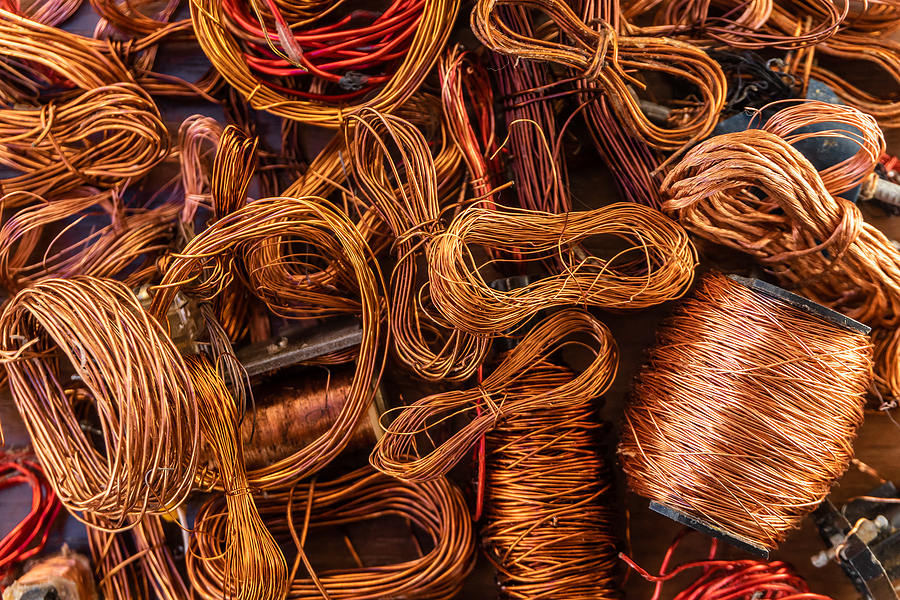
If you’re a sparkie, plumber, or builder, you’ve probably had the same thought at least once—maybe while sweeping up after a job, looking down at a pile of old wiring or offcut pipe.
“Wait… is this stuff actually worth something?”
Short answer: yep.
Long answer: it depends on what it is—and how well you know your copper scrap.
Because here’s the thing. Copper isn’t just that shiny orange metal you occasionally trip over on site. It’s in your wiring, your plumbing, your air-con units. And when it’s no longer needed, it’s money just sitting there in a pile, waiting for you to either cash in… or toss it into the skip and regret it later.
So, let’s break it down. A no-nonsense guide to copper scrap for tradies. What’s worth keeping? What’s not? And how to tell if you’ve got something valuable on your hands.
First Things First: Why Is Copper Scrap Even Valuable?
Copper’s one of those rare materials that doesn’t really “go bad.” Even when it’s bent, burnt, or years old, it still holds serious value. Why? Because copper’s a top-tier conductor of electricity and heat. Manufacturers love it. It gets reused in everything from electronics to solar panels to industrial machines.
That’s why copper scrap prices in Australia have stayed fairly strong, even when other metals dip. You might not notice it on one job, but across a few weeks? It adds up. Fast.
Not All Copper Is Equal (And That’s Where People Get Caught)
Here’s where it gets slightly nerdy—but important.
There are a few common grades of copper scrap, and the one you’ve got makes a big difference to the price you’ll get.
Bright & Shiny (aka Millberry)
This is the good stuff. Stripped, clean copper wire with no coating, no solder, no corrosion. If it looks like a perfect orange strand, it’s probably Millberry. Highest value. Worth the effort to separate.
No. 1 Copper
This includes clean copper pipes and wire with minimal coatings or attachments. Still good value, but not as pure as Millberry. Think old water pipes, clean bus bars.
No. 2 Copper
More corrosion, more attachments. Think old pipes with solder, dirty offcuts, or burnt wire. Still valuable—just not as much.
Insulated Copper Wire
The stuff sparkies see every day. Cables and wires are still wrapped in plastic. The thicker and heavier the copper inside, the better. But yeah, you’ll need to sort it properly. Not all insulated wire is treated equally.
What to Keep (Hint: Probably More Than You Think)
Got a few metres of offcut pipe? Keep it.
Ripping out old electrical during a reno? Definitely keep that.
Air conditioner unit being replaced? Inside it: copper coils, wiring, and maybe even a decent chunk of tubing.
You’d be amazed at how much copper scrap is hidden in things that look worthless on the surface. The trick is knowing where to look—and bothering to collect it.
Get yourself a drum, bin, or old milk crate. Keep it on-site. Throw your offcuts in there. Doesn’t take long before it’s full.
What to Toss (But Double-Check First)
Steel pipes painted copper. Brass fittings. Plastic plumbing that looks copper at first glance but isn’t. Don’t waste time collecting stuff that won’t earn you anything.
Still—if you’re unsure, test it with a magnet. Copper won’t stick. Steel will. Simple trick, but it saves a headache at the scrapyard.
Also? Be wary of mixed loads. Some yards won’t sort your copper scrap for you. If it’s all tangled with steel, plastic, or aluminium, they’ll just weigh it as “mixed metal” and pay the lower rate. A bit of separation on your end goes a long way.
Where to Sell (And What to Watch Out For)
Most decent metal recyclers will take copper scrap and pay per kilo. Rates vary daily, so keep an eye on local prices or call ahead.
But not all scrap yards are created equal. Some try to grade your copper lower than it is. Others sneak in hidden handling fees. Look for transparent operators—and don’t be afraid to take your gear elsewhere if something feels off.
Bonus tip? Clean your scrap. The less time they have to spend stripping or sorting it, the better price you’ll get.
Don’t Forget—It’s Not Just About the Cash
Sure, making a few extra bucks from copper scrap is great especially if you’ve got regular work and plenty of offcuts piling up.
But there’s another upside here, too—less waste.
You’re not just earning. You’re recycling and keeping copper in use instead of sending it to the landfill. Bit of a win-win, really.
And if you’re running your own business? Being able to say you recycle your scrap is a good look. Customers notice.
Final Thought (Straight from the Workshop)
Look—we’re not saying you need to become a full-time scrap dealer. But if you’re working with copper every week, why not make something extra from it?
It’s already in your hands. In your ute. On your sites.
Start treating copper scrap like a side hustle, not a throwaway. Collect it. Sort it. Sell it with Union Metal Recycling. Simple as that.
Because at the end of the day? A few offcuts today could pay for your next slab tomorrow.
