

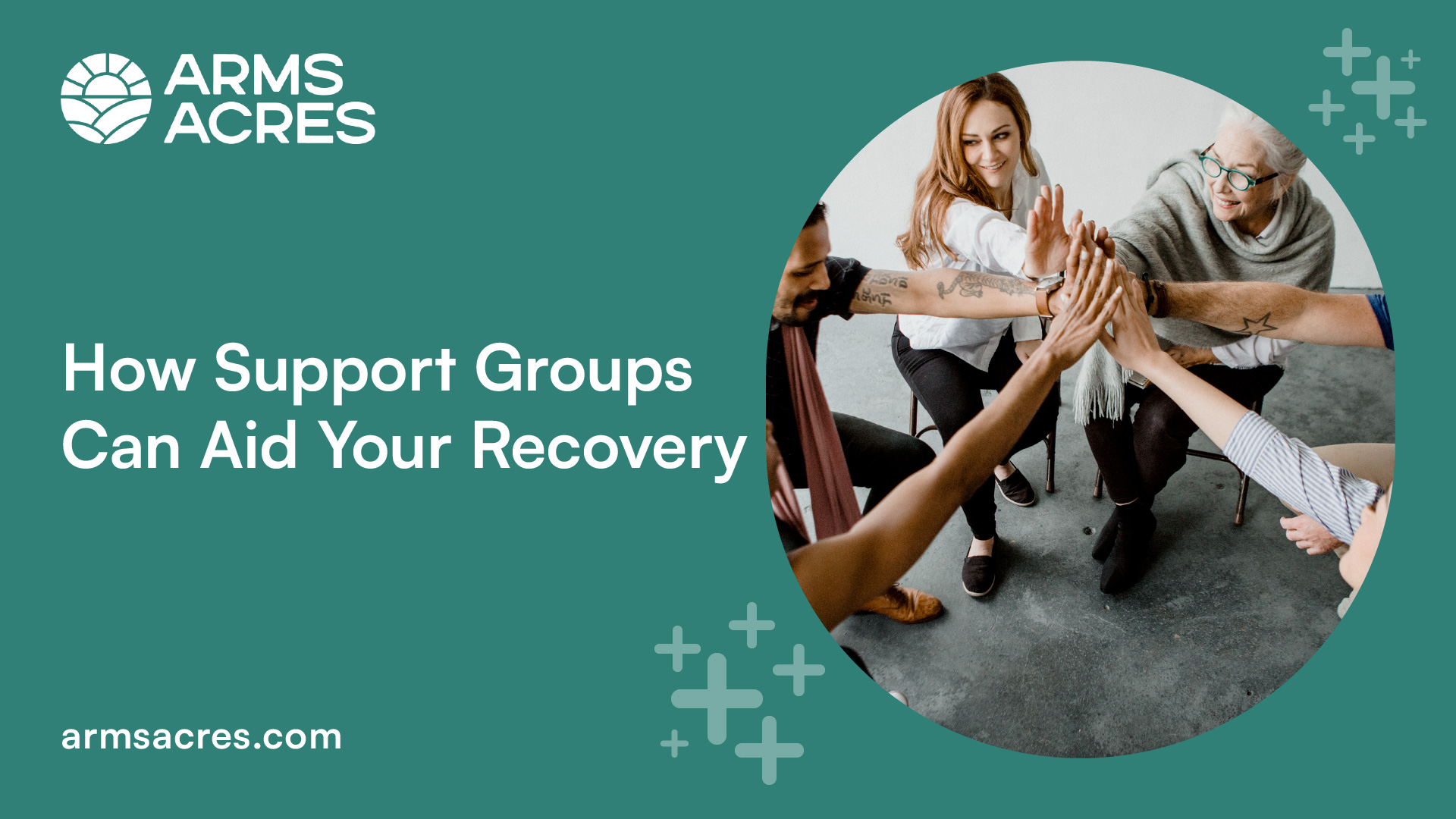
Overcoming dependency on alcohol is a difficult process that takes more than just personal willpower. Support groups play an important part in this procedure, providing a sense of belonging, shared knowledge, and motivation that can be a distinction between recurrence and sustained recovery. These groups give a space for people to interact, heal, and grow in an unbiased setting, making them an essential component to effective alcohol rehab.
Breaking Isolation
One of the many significant benefits of group therapy is that they undermine a feeling of solitude, which is frequently associated with addiction. Alcohol addiction can produce feelings of humiliation, remorse, and loneliness, driving people to withdraw from social groups. Support groups give a secure space for people to express their struggles and triumphs with no fear of being criticized.
Hearing others express similar stories makes people understand they are not lonely in their struggle. This sense of companionship lowers the stigma linked to addiction and develops a sense of belonging, both of which are essential for psychological and emotional health during rehab.
Inspiration and Motivation
Healing is a nonlinear process with swings and turns. Support groups offer constant encouragement and inspiration, allowing participants to stay dedicated to their sober goals. Members frequently celebrate accomplishments collectively, like a month, six months, or an entire year of recovery. These festivities promote the concept that any improvement, no matter how minor, is worth noting.
Furthermore, watching people who have successfully kept their sobriety is inspiring. Witnessing their progress and tenacity might inspire others in the early phases of rehab to keep going, especially when confronted with setbacks.
A Platform for Honest Communication
In a support group atmosphere, people can express themselves openly, expressing ideas and emotions that they may not feel confident expressing with family or close friends. This open discussion is crucial to dealing with feelings while tackling the fundamental reasons of addiction.
Many people find that expressing their concerns in a friendly environment is beneficial. It enables individuals to express pent-up emotions, acquire clarity, and to get positive feedback from others who comprehend their situation.
Learning from Shared Experiences
Everyone in a community of support brings an alternate viewpoint to the table. Individuals may benefit from each other’s achievements and failures, obtaining vital insights that will help them manage the recovery journey.
For instance, one member may give ways for dealing with desire, while someone may provide guidance on mending connections damaged by addiction. This sharing of knowledge results in a shared pool of assets that enriches everybody participating.
Building Accountability
Transparency is a crucial tool for staying sober, and support groups thrive at encouraging it. Attending meetings on a regular basis and giving information helps participants create a sense of accountability for both them and the others in the group.
Understanding that other individuals have faith in their achievement motivates people to keep on target with their recovery plans. If someone has a relapse, the group offers a safe space to explore what went amiss and how to go forward without judgments.
Support communities play a crucial role in the journey to alcohol recovery, offering a network of understanding and shared experiences. These communities provide a safe space for individuals to express their struggles and triumphs, fostering a sense of belonging and accountability. In addition to traditional support groups, there are specialized treatment centers that integrate community support into their programs. For instance, those interested in a comprehensive approach to recovery can read more about Pacific Ridge, where personalized care and community involvement are key components of the healing process. This holistic approach not only addresses the physical aspects of addiction but also nurtures the emotional and social well-being of individuals, paving the way for sustainable recovery.
Access to Additional Resources
Many support groups are connected to larger networks or organizations that provide additional resources for alcohol recovery. These may include counseling services, educational materials, or referrals to reputable alcohol rehab programs like Harprehab.
Harprehab recognizes the value of incorporating support groups within a holistic treatment approach. Recovery is more than just quitting alcohol; it is also about creating a fulfilling, free of alcohol life with the assistance of a solid support network.
Types of Support Groups
There are various types of support groups available to cater to different needs and preferences. Some popular options include:
12-Step Program: These are organized programs that emphasize responsibility and sustained sobriety.
Unconventional Support Groups: Certain groups provide evidence-based programs that emphasize self-empowerment and behavior change.
Peer-Led Groups: Such are typically informal meetings led by people in recovery, creating a calm and relatable environment.
The Function of Professional Advice
Support groups are vital, but they work best when accompanied with expert treatment. Harprehab’s alcohol rehabilitation programs offer medical oversight, therapy, and tailored treatment to deal with the root cause of addiction.
Support groups complement these services by offering ongoing peer support, helping individuals transition from structured treatment to independent sobriety. This dual approach increases the likelihood of long-term success.
A lifeline for long-term sobriety
The road to rehabilitation is never straightforward, but assistance organizations make it more bearable. They provide a lifeline of relationship, empathy, and encouragement to help people overcome problems and continue their dedication to sobriety.
For those seeking alcohol rehab, incorporating support groups into their rehab plan is a step towards a brighter, alcohol-free future. These communities’ shared knowledge, transparency, and motivation can be transformative, instilling long-lasting hope and resilience.
