

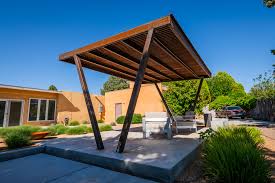
Good outdoor spaces need shade. Not a tiny umbrella that only helps one chair, but real shade that makes the area usable at noon, not just at sunset. That’s why shade structures for landscapes have become one of the most practical upgrades people add to yards, patios, courtyards, and commercial outdoor areas.
A well-designed shade structure does two jobs at once. It improves comfort by reducing heat and glare, and it shapes the space visually so the outdoor area feels finished. The key is choosing the right type of structure for your layout, your sun exposure, and your long-term maintenance tolerance.
This guide covers common shade structure options, where each works best, what drives cost, and how to plan a shade solution that feels like part of the landscape instead of an afterthought.
Why Shade Matters in Landscape Design
Shade is about comfort, but it’s also about function. If an outdoor dining area is unbearably hot, people won’t use it. If a pool deck has no relief from direct sun, it becomes uncomfortable and even unsafe for bare feet. For commercial spaces, shade can extend how long customers stay outside and improve overall experience.
Shade also protects materials. Direct sun can fade outdoor furniture, age composite decking, and dry out planting beds. A good shade plan can reduce wear and help landscapes stay healthier, especially in areas with intense summer sun.
Key Factors to Consider Before Choosing a Shade Structure
Before you pick a structure style, it helps to understand a few practical factors that affect performance.
Sun direction matters more than most people think. Morning sun, midday sun, and late afternoon sun hit from different angles. A structure that works at noon might do nothing at 4 p.m. Depending on your location and the way your yard faces, you may need overhead shade, angled shade, or a combination.
Wind matters too. A shade sail in a calm courtyard is different from a shade sail in a windy open yard. The structure needs the right anchors and engineering so it doesn’t sag, flap loudly, or fail.
Rain management is another factor. Some shade structures are meant to block sun only, while others also protect from rain. If you want the area usable during light rain, you’ll want a roofed option with drainage planning.
Finally, think about how permanent you want the solution to be. Some shade structures for landscapes are modular and removable. Others become a major built feature with footings and permitting.
Common Shade Structures for Landscapes
There is no single best option. The right choice depends on your space, style, and budget.
Pergolas
Pergolas are one of the most popular shade structures for landscapes because they look architectural and can match many design styles. Traditional pergolas provide partial shade through slats or beams. That can be perfect if you want dappled light, but it may not be enough for intense sun.
For stronger shade, pergolas can be paired with retractable canopies, shade fabric, or climbing plants. Some people also choose louvered pergolas where slats open and close to adjust sun and rain protection.
Pergolas work well over patios, outdoor kitchens, seating areas, and walkways. They also create a visual “room” outdoors, which can make a yard feel more structured.
Pavilions and covered patio structures
If you want full shade and rain protection, pavilions and roofed structures are usually the best option. These are more like outdoor rooms with a solid roof. They can support fans, lighting, heaters, and even mounted TVs.
Because they are heavier structures, they require stronger foundations and may require permits depending on your area. They cost more than pergolas and sails, but they create the most consistent comfort.
Shade sails
Shade sails are fabric panels tensioned between posts or attachment points. They can look sleek and modern, and they work well in both residential and commercial landscapes.
Their biggest advantage is flexibility. You can angle them to block sun from a specific direction, and you can cover large areas with multiple sails. They are often more affordable than built roof structures.
The key is proper tension and anchoring. A poorly installed sail can sag, flap, and wear out faster. It’s also important to choose quality UV-resistant fabric that won’t stretch excessively or fade quickly.
Retractable awnings
Retractable awnings are a good fit when you want shade sometimes, but you don’t want a permanent overhead structure. They are common on patios attached to a home or building.
They can provide strong shade coverage, but they need a solid mounting surface and should be chosen with wind conditions in mind. Some awnings include sensors to retract automatically in high winds.
Gazebos and freestanding shade pods
Gazebos and freestanding structures can create a cozy, defined area without requiring attachment to a house. They are common for garden seating zones, hot tubs, or poolside lounging.
They vary widely in quality and style, from lightweight kits to custom-built structures. If you want something that lasts, focus on structural stability, roof quality, and proper anchoring.
Natural shade with trees and planting
Trees are a long-term shade strategy that also adds beauty, habitat, and cooling through evapotranspiration. They can be one of the best shade “structures” if you plan early.
The downside is time. Trees take years to provide full shade, and placement matters. Roots, leaf drop, and proximity to foundations also need consideration.
In many landscapes, the best approach is a blend of built shade plus strategic planting.
Placement Tips That Make Shade More Effective
Placement is what turns a shade structure from “nice” to “actually useful.”
Focus shade where you spend time. Dining, outdoor kitchens, lounge seating, play areas, and poolside zones usually benefit most.
Consider the sun angle at the time you use the space most. If you entertain in late afternoons, west sun is often the biggest problem. That may require side shade, screens, or angled structures, not just overhead coverage.
Also consider airflow. Shade helps, but ventilation is what makes it comfortable. A fully enclosed structure can trap heat unless it’s designed with airflow in mind.
Materials and Maintenance Considerations
Shade structures for landscapes come in many materials, and maintenance needs vary.
Wood can look warm and natural, but it requires staining or sealing over time. In humid climates, it may need more care to prevent rot or warping.
Aluminum and steel structures can be low maintenance and long-lasting. They can also support modern design aesthetics. The finish quality matters, especially for corrosion resistance.
Fabric systems like shade sails and retractable canopies require periodic cleaning and eventual replacement, but they can be cost-effective and flexible.
If you live in a climate with heavy storms or snow, structural strength and weather rating should be a priority. A shade solution that looks great in mild weather can fail quickly under harsher conditions.
What Drives the Cost of Shade Structures
Cost depends on size, materials, complexity, and installation requirements.
A small shade sail can be a relatively affordable project. A custom pavilion with electrical, lighting, and a finished ceiling is a much larger investment.
Site conditions also matter. If the area needs grading, new footings, or custom posts placed in hard-to-access locations, labor increases.
Add-ons like lighting, fans, heaters, screens, or integrated seating can also raise the total, but they can significantly improve comfort and usability.
Mistakes to Avoid
One common mistake is choosing a structure based only on looks. If it doesn’t block sun during the hours you actually use the space, it becomes decorative instead of functional.
Another mistake is underbuilding. Posts and anchors matter. Shade structures catch wind like sails, even when they look small. Proper engineering prevents sagging, shaking, and long-term damage.
Also avoid ignoring drainage. Roofed structures need water management, and even shade sails can direct water runoff depending on how they’re angled.
Finally, don’t forget lighting. A shaded space can feel dark. Simple lighting design can make the space feel inviting at night and safer in general.
Practical Takeaways
Shade structures for landscapes are one of the best upgrades for outdoor comfort and usability. The best option depends on sun direction, wind exposure, and how permanent you want the structure to be. Pergolas offer style and partial shade, pavilions provide full protection, shade sails offer flexible modern coverage, and trees provide natural cooling over time.
Plan placement around how you use the space, choose materials that match your maintenance tolerance, and make sure the structure is installed with proper anchoring and weather considerations.
Conclusion
A good shade structure turns an outdoor area into a space you can actually use, not just look at. When you match the structure style to your site conditions and your lifestyle, the result feels intentional and comfortable for years.
If you’re planning shade structures for landscapes, start with the sun, then work backward to the design. Comfort first, style second, and you’ll end up with a space that feels finished and stays enjoyable through the hottest months.
