

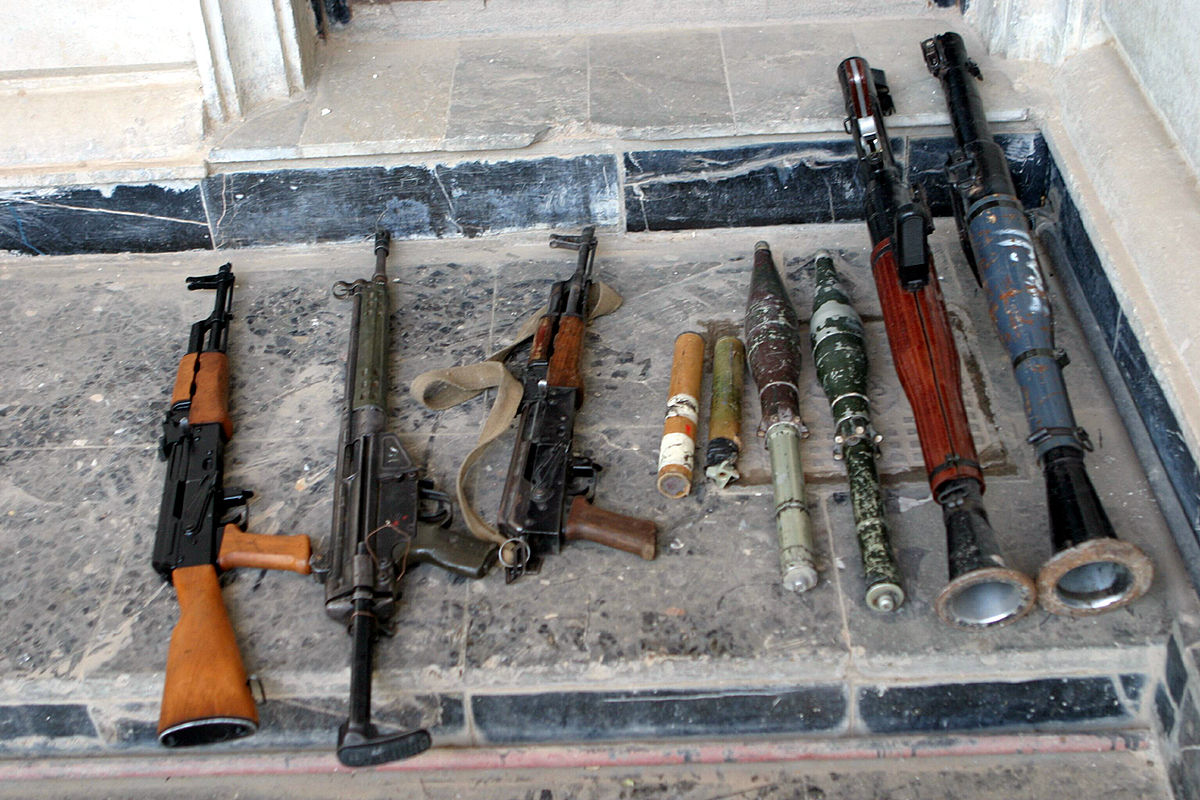
Firearms have undergone a remarkable evolution from rudimentary designs to the highly advanced weapons of today. At the core of this transformation lies the ingenuity and craftsmanship of gunsmiths. These skilled artisans have not only shaped the development of firearms but have also adapted their techniques and tools to meet the demands of advancing technology. Online programs like those offered by the Sonoran Desert Institute (SDI), which is accredited by the Distance Education Accrediting Commission (DEAC), play a vital role in preserving the legacy of gunsmithing while preparing future professionals for this ever-evolving industry.
The Origins of Firearms and Early Gunsmithing
The history of firearms can be traced back to the 14th century when black powder weapons like hand cannons emerged. These early firearms were rudimentary and required extensive manual craftsmanship. Gunsmiths worked closely with blacksmiths, combining metalworking expertise with mechanical innovation to produce functional weapons. This era marked the beginning of gunsmithing as a distinct craft, with artisans striving to improve the reliability and efficiency of firearms.
One of the first significant innovations in firearms was the introduction of the matchlock mechanism in the 15th century. This system allowed for more reliable ignition of gunpowder, improving both usability and safety. Gunsmiths played a pivotal role in refining this technology, paving the way for more sophisticated designs.
Rifling: A Turning Point in Firearm Precision
The development of rifling in the 16th century was a groundbreaking milestone in firearm history. By cutting spiral grooves into the inside of a gun barrel, gunsmiths created a system that caused the bullet to spin, dramatically improving accuracy and range. This innovation not only revolutionized firearms but also elevated the role of gunsmiths as essential contributors to the advancement of weaponry.
Rifling became particularly significant during the 18th and 19th centuries as the demand for precision weapons increased. Gunsmiths were tasked with producing rifled barrels for military and civilian use, requiring meticulous craftsmanship and an in-depth understanding of ballistics. This period also saw the rise of sharpshooting as a tactical advantage, further cementing the importance of rifling in modern warfare.
The Era of Interchangeable Parts and Mass Production
The 19th century ushered in the era of industrialization, which profoundly impacted the field of gunsmithing. The introduction of interchangeable parts, pioneered by innovators like Eli Whitney, revolutionized firearm manufacturing. Gunsmiths no longer had to create every component by hand; instead, they could assemble weapons using standardized parts produced in factories. This shift not only increased efficiency but also made firearms more affordable and accessible to the public.
Despite the rise of mass production, skilled gunsmiths continued to play a crucial role in the industry. Many specialized in custom modifications, repairs, and intricate engravings, catering to the unique needs of individual clients. Their expertise ensured that even factory-produced firearms could be adapted and improved for specific purposes.
Advancements in Materials and Mechanisms
The 20th century brought significant advancements in firearm materials and mechanisms, driven by the demands of global conflicts and evolving technologies. Gunsmiths adapted to these changes by mastering new techniques and incorporating modern materials like stainless steel and polymers into their work. Semi-automatic and automatic firearms became more prevalent, requiring gunsmiths to develop proficiency in maintaining and customizing complex mechanisms.
During this era, gunsmiths’ roles expanded beyond traditional craftsmanship. Many became innovators, contributing to the development of new firearm designs and technologies. For example, gunsmiths played a key role in creating specialized weapons for military applications, such as sniper rifles and compact submachine guns.
The Role of Gunsmiths in Advancing Firearm Technology
Gunsmiths have always been at the forefront of firearm innovation, bridging the gap between traditional craftsmanship and cutting-edge technology. Their ability to adapt to new materials, tools, and manufacturing methods has been instrumental in shaping the evolution of firearms.
One of the gunsmiths’ most notable contributions is customizing firearms. By modifying existing designs, gunsmiths can tailor weapons to meet the specific needs of their users, whether for hunting, sport shooting, or self-defense. This level of customization not only enhances performance but also demonstrates the profession’s creative and technical capabilities.
Gunsmiths have also been key players in preserving the history of firearms. By restoring antique weapons, they ensure that historical artifacts remain functional and accessible to future generations. This aspect of gunsmithing requires a deep understanding of traditional techniques and materials and a passion for preserving the legacy of the craft.
Gunsmithing and the Digital Age
The 21st century has introduced unprecedented technological advancements, transforming the way firearms are designed and manufactured. Gunsmiths have embraced tools like Computer Numerical Control (CNC) machines and 3D printing, which allow for greater precision and efficiency in creating firearm components. These technologies have also opened new possibilities for innovation, enabling gunsmiths to experiment with unique designs and features.
In addition to modern tools, gunsmiths now rely on advanced software for design and simulation. Programs like Computer-Aided Design (CAD) allow gunsmiths to create detailed models of firearm components, reducing errors and streamlining the production process. Simulation software further enhances this process by enabling virtual testing of firearm functionality before physical prototypes are created.
Preserving the Legacy of Gunsmithing
As the field of gunsmithing continues to evolve, preserving its rich history and traditions remains a priority. This effort requires a deep understanding of traditional techniques alongside the ability to embrace modern advancements. By maintaining a balance between historical craftsmanship and contemporary innovation, future gunsmiths can uphold the legacy of the profession while adapting to the demands of a changing industry.
The evolution of firearms is a testament to the ingenuity and dedication of gunsmiths throughout history. From the introduction of rifling to the development of interchangeable parts, gunsmiths have played a central role in advancing firearm technology. Today, they continue to push the boundaries of innovation while preserving the artistry and traditions that define their craft. Programs like those offered by Sonoran Desert Institute provide aspiring gunsmiths with a comprehensive education, preparing them to navigate this dynamic and rewarding profession. By honoring the past and embracing the future, gunsmiths ensure that their contributions to firearm history remain as impactful as ever.
