

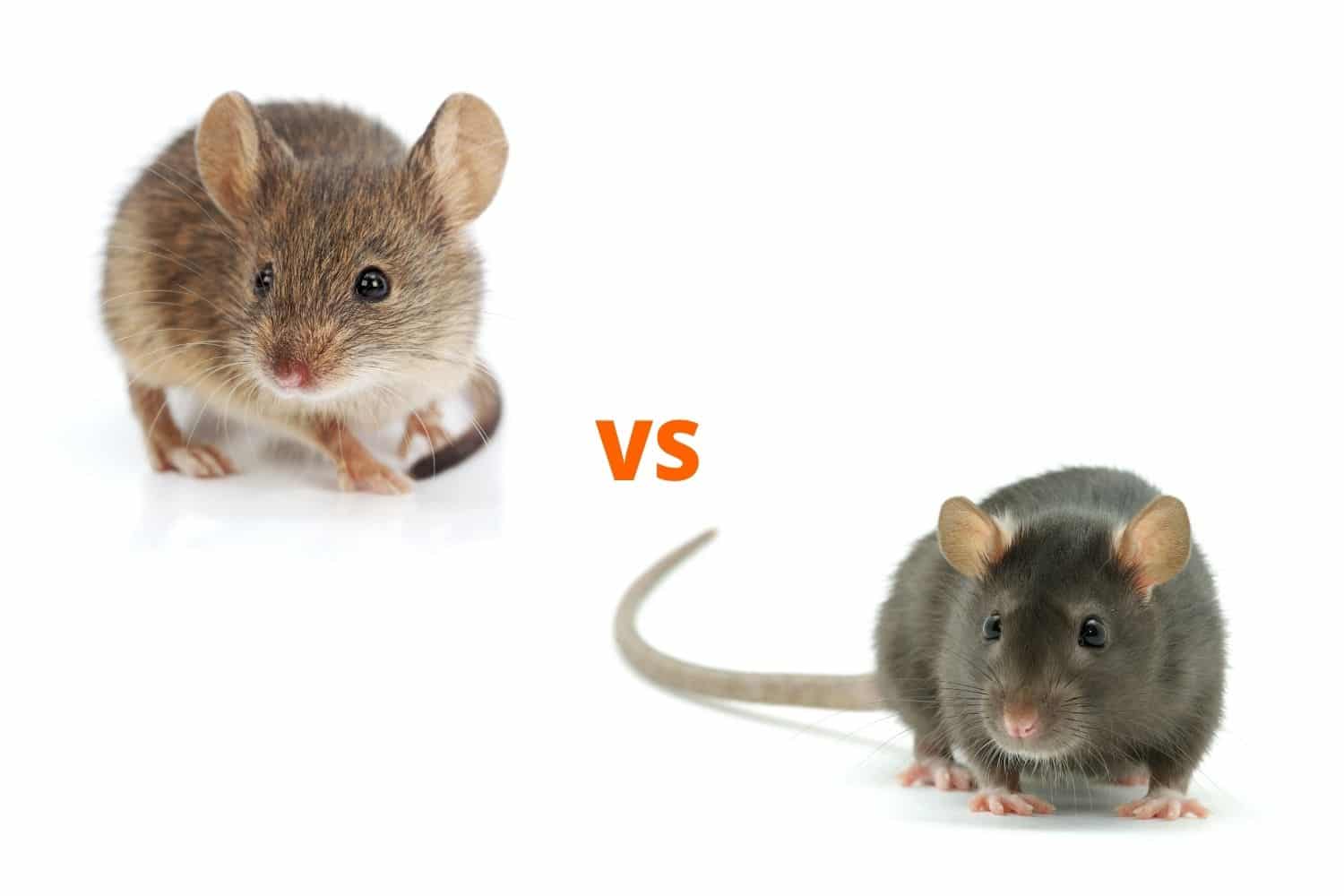
Rats and mice are common pests that can cause significant problems in both urban and rural settings. While they may seem similar at first glance, these rodents have distinct behaviors, habitats, and control strategies. Understanding the differences between rat and mouse infestations is crucial for effective management. Rats are generally larger, more cautious, and prefer to nest in burrows, while mice are smaller, more curious, and often nest indoors. These differences necessitate tailored approaches to control and prevention. This article delves into the unique challenges posed by each rodent and the strategies used to address them.
Understanding Rodent Behavior
Rats and mice exhibit different behaviors that influence how they are controlled. Rats are neophobic, meaning they are wary of new objects in their environment. This makes them more challenging to trap, as they may avoid unfamiliar traps or bait stations. They are also more likely to travel along established routes and are less likely to explore new areas. In contrast, mice are more curious and will investigate new objects, making them easier to trap. However, their small size allows them to access areas that are difficult to reach, such as inside walls or ceilings. These behavioral differences require different approaches to trapping and baiting, with rats needing more strategic placement and patience, while mice may be caught more quickly with well-placed traps.
Habitat Preferences
The habitats preferred by rats and mice also differ significantly, impacting control strategies. Rats typically prefer outdoor environments, such as burrows in the ground or nests in dense vegetation. They are often found near sources of water and food, such as garbage bins or compost piles. Mice, on the other hand, are more likely to nest indoors, taking advantage of small spaces and cluttered areas. They can thrive in attics, basements, and even inside kitchen cabinets. This means that controlling a rat infestation often involves outdoor measures, such as sealing entry points and removing food sources, while mouse control may require more indoor-focused strategies. In pest control Sun Prairie, understanding these habitat preferences is crucial for effective management.
Health Risks and Damage
Both rats and mice pose health risks and can cause significant damage to property. Rats are known carriers of diseases such as leptospirosis, hantavirus, and salmonella, which can be transmitted to humans through contact with their urine, droppings, or saliva. They can also cause structural damage by gnawing on wood, electrical wires, and insulation. Mice, while smaller, can also spread diseases and cause damage. They are known to contaminate food supplies with their droppings and urine, and their constant gnawing can damage furniture, wiring, and other materials. The health risks and potential for damage make it essential to address infestations promptly and effectively, using strategies tailored to the specific rodent involved.
Control Strategies
Effective control strategies for rats and mice differ due to their distinct behaviors and habitats. For rats, control measures often focus on exclusion and habitat modification. This includes sealing entry points, removing food and water sources, and using traps or bait stations strategically placed along their established routes. Patience is key, as rats may take time to approach new traps. For mice, control strategies may involve more frequent use of traps, as their curiosity makes them more likely to investigate new objects. Indoor measures, such as reducing clutter and sealing food containers, are also important. Both rodents may require professional intervention if infestations are severe, but understanding their unique behaviors can aid in effective management.
Quick Tips for Prevention
Preventing rodent infestations involves a combination of exclusion, sanitation, and monitoring. Sealing entry points, such as gaps around doors and windows, is crucial for keeping both rats and mice out. Maintaining a clean environment by removing food sources and reducing clutter can deter rodents from nesting indoors. Regular monitoring for signs of rodent activity, such as droppings or gnaw marks, can help catch infestations early. By taking these preventive measures, property owners can reduce the likelihood of rodent problems and minimize the need for more intensive control strategies.
Conclusion
Rats and mice, while both problematic, require different approaches to control due to their unique behaviors and habitats. Understanding these differences is key to effective management and prevention. By tailoring strategies to the specific rodent involved, property owners can address infestations more efficiently and reduce the risks associated with these pests. Whether dealing with rats or mice, taking proactive measures to seal entry points, remove food sources, and monitor for signs of activity can help maintain a rodent-free environment. Effective rodent control not only protects property but also safeguards health, making it an essential aspect of pest management.
