

The emergence of Premium Video On Demand (PVOD) has transformed the way audiences consume content, offering a unique alternative to traditional theatrical releases. As streaming services continue to evolve, the PVOD sector has witnessed significant changes that cater to changing consumer preferences and technological advancements. This article explores the key trends and innovations shaping the PVOD landscape and how they are redefining the entertainment industry.
The Rise of PVOD
Historically, the cinematic release of films was a crucial element of the movie industry, with theaters serving as the primary venues for viewing new content. However, the COVID-19 pandemic acted as a catalyst for change, forcing studios to rethink their distribution strategies. As theaters closed and audiences sought new ways to enjoy films from the comfort of their homes, PVOD emerged as a viable solution. Studios began to release films directly to digital platforms, allowing viewers to rent or purchase movies at home shortly after their theatrical debuts. This shift not only provided studios with immediate revenue streams but also introduced a new level of convenience for viewers.
Consumer Preferences and Viewing Habits
As the landscape of entertainment continues to evolve, consumer preferences play a pivotal role in shaping PVOD offerings. Today’s audiences demonstrate a preference for flexibility and accessibility, seeking content that fits into their busy lifestyles. This trend has led to an increase in demand for PVOD services, as viewers appreciate the opportunity to enjoy new releases without having to venture to a theater.
Moreover, the desire for exclusive content has spurred studios to invest in premium releases that cater to audience interests. As a result, PVOD offerings now often include not just the latest blockbuster hits, but also unique indie films, documentaries, and other niche content that may not receive extensive theatrical releases. This diversification has broadened the appeal of PVOD, attracting a wider audience demographic.
Technological Innovations Enhancing User Experience
Technological advancements have played a significant role in enhancing the PVOD streaming experience. High-definition streaming, faster internet connections, and the proliferation of smart devices have made it easier for consumers to access premium content. Streaming platforms have invested heavily in improving their infrastructure to ensure seamless playback and superior quality.
One of the most notable innovations in the PVOD space is the integration of artificial intelligence (AI) and machine learning algorithms. These technologies enable streaming services to analyze viewer habits and preferences, allowing for personalized content recommendations. By providing tailored suggestions based on individual viewing patterns, platforms can enhance user engagement and retention.
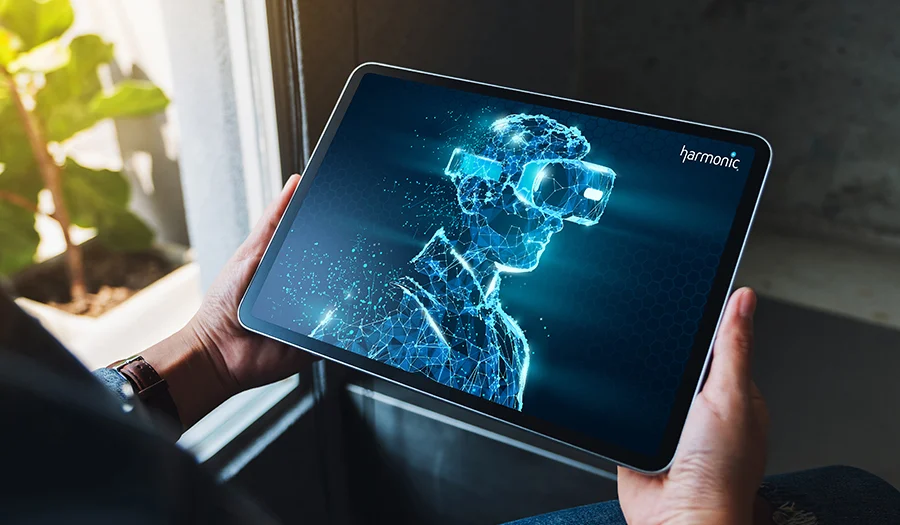
Additionally, the rise of virtual reality (VR) and augmented reality (AR) is beginning to influence the PVOD landscape. As these technologies become more accessible, filmmakers are exploring new ways to create immersive experiences that go beyond traditional storytelling. This experimentation could lead to innovative PVOD offerings that captivate audiences in entirely new ways.
The Role of Exclusive Releases
Exclusive PVOD releases have become a powerful tool for studios seeking to differentiate their content offerings. By launching films exclusively on their platforms, studios can create buzz and anticipation among audiences. This strategy not only drives subscriptions but also facilitates direct engagement with fans.
For example, several major studios have opted for exclusive PVOD releases for highly anticipated films, allowing them to capitalize on the excitement generated by marketing campaigns. These exclusive releases often come with premium pricing, reflecting the value of accessing sought-after content from home. The success of such strategies has led to a rethinking of release windows, with studios exploring shortened theatrical runs followed by immediate PVOD availability.
Challenges and Controversies
While the rise of PVOD presents numerous opportunities, it is not without its challenges and controversies. One major concern revolves around the impact on traditional theaters and the overall cinematic experience. As more films find their way to PVOD platforms, theater owners face increasing pressure, leading to debates about the future of cinema as we once knew it.
Moreover, the pricing model associated with PVOD has drawn scrutiny. Consumers often compare PVOD prices to traditional rental or purchase options, leading to questions about the perceived value of premium pricing for access to new releases. Studios must carefully navigate these concerns while justifying their pricing strategies to audiences.
The Future of PVOD
Looking ahead, the future of Premium Video On Demand is likely to be characterized by continued evolution and innovation. As consumer preferences shift, studios must remain agile and responsive to market demands. Collaborations between streaming platforms and filmmakers can foster the development of unique content that captures the interest of diverse audiences.
Furthermore, the expansion of international markets presents new opportunities for PVOD growth. As global audiences become more engaged with digital streaming, studios can target specific regions with tailored content offerings, potentially leading to increased revenues.
In conclusion, the PVOD landscape is undergoing a transformative phase driven by changing consumer preferences, technological innovations, and the evolving dynamics of the entertainment industry. As studios embrace new distribution strategies, the way audiences consume content is continuously reshaped, highlighting the importance of adaptability in an ever-changing market. The innovations and trends shaping PVOD will undoubtedly influence the future of film distribution, paving the way for a more diverse and accessible entertainment landscape.
