

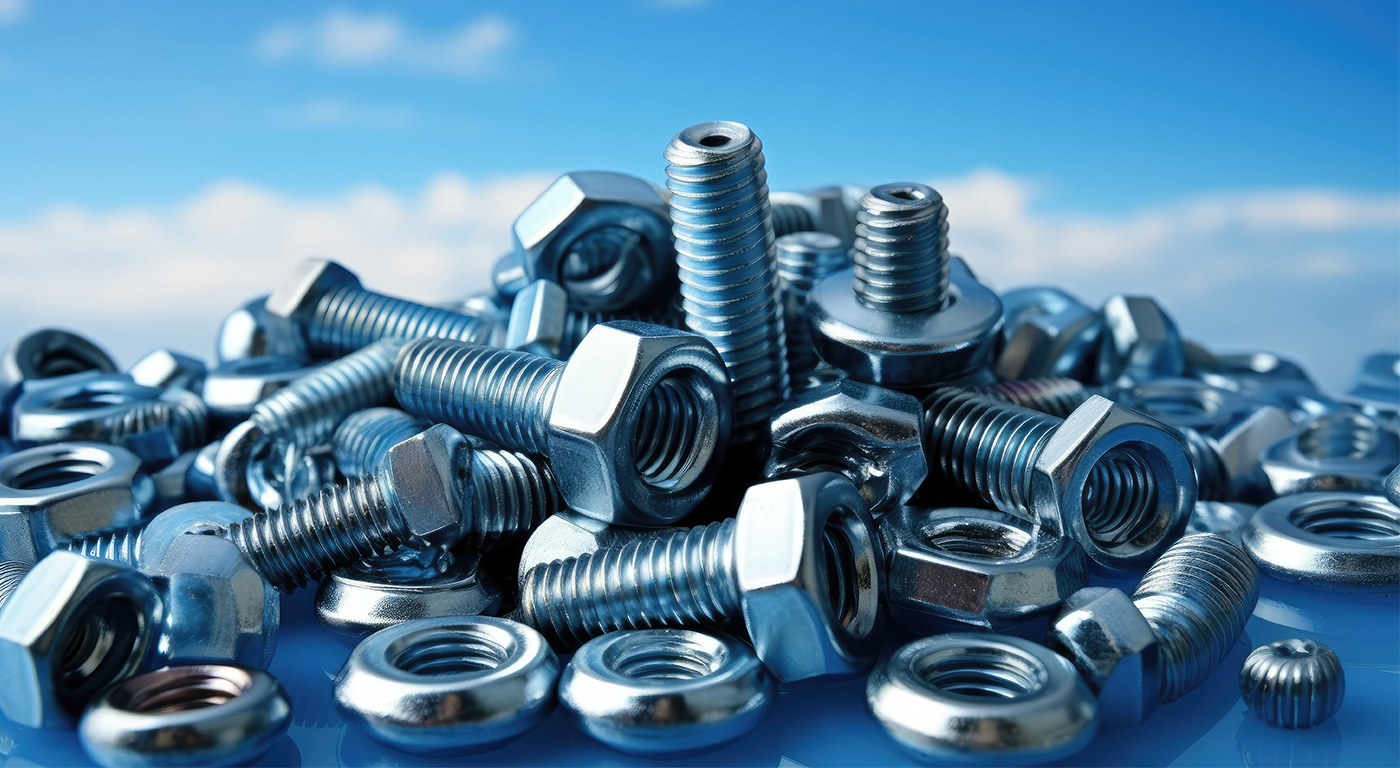
Fasteners might not be that exciting, but they are critical; in industrial settings, they are, quite literally, the difference between a secure structure and a costly failure. When it comes to holding together heavy machinery, securing infrastructure, or allowing for easy adjustments in temporary setups, using the right fastener matters.
But not all fasteners are the same. Choose the right one and you won’t really notice them; choose the wrong one and that’sall you’ll think about. Here’s what you need to know.
Common Types of Industrial Fasteners
-
Bolts, Nuts, and Washers: The Workhorses
Bolts are the backbone of industrial fastening, used in everything from structural steel connections to heavy equipment assembly. Paired with nuts and washers, they create a secure hold that can withstand vibration, pressure, and extreme conditions.
- Hex bolts are used in construction and manufacturing for their high tensile strength.
- Carriage bolts have a smooth, domed head to prevent tampering.
- Washers distribute load and reduce the risk of loosening under vibration.
Applications: Heavy machinery, steel framework, and transportation equipment.
-
Rivets: When a Permanent Hold Is Required
Unlike bolts and screws, rivets form a permanent bond, making them ideal for applications where joints shouldn’t – and needn’t – come apart. Rivets are common in aerospace, automotive, and shipbuilding industries where they provide strong, tamper-resistant connections.
Applications: Aircraft construction, bridges, and pressure vessels.
-
Threaded Rods: Versatility in Length and Load
Threaded rods can be cut to fit specific needs. Used for anchoring, bracing, and structural reinforcement, they handle high loads while allowing flexibility in design.
Applications: Foundation anchoring, electrical supports, and HVAC systems.
-
Wing Nuts and Bolts: When Quick Adjustments Matter
Some applications require frequent assembly and disassembly, which is where wing nuts and bolts shine. Their tool-free design allows for quick adjustments, making them perfect for temporary fixtures, jigs, and access panels.
Applications: Machinery guards, stage setups, and industrial equipment requiring fast access.
Choosing the Right Fastener
Fasteners are not one-size-fits-all. A bolt that works in a factory setting may not hold up in a corrosive marine environment. Consider:
- Material – Stainless steel resists rust, while high-strength alloys handle extreme loads.
- Load Requirements – Shear vs. tensile strength determines whether a fastener will hold under pressure.
- Environmental Conditions – Exposure to moisture, chemicals, or vibration affects fastener longevity.
Keeping it All Together
Industrial fasteners hold together the systems that keep industries running. Whether it’s a rivet securing an aircraft panel or a threaded rod anchoring a foundation, the right fastener is critical for safety and performance. Selecting the right one means fewer failures, less downtime, and a more reliable structure overall.
