

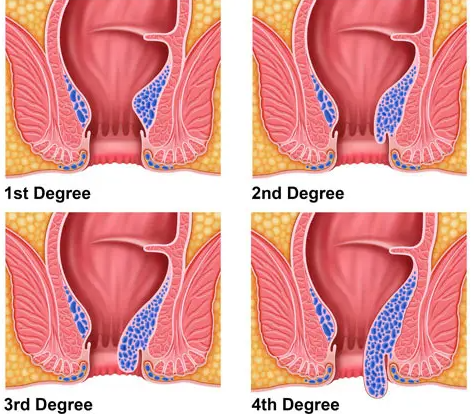
Piles, also known as haemorrhoids, are clusters of veins that develop immediately below the mucus membranes lining the anus and the lowest part of the rectum. They result when the veins in this area are enlarged and distended. There are two types of piles – internal and external. Internal haemorrhoids develop in the lower rectum, and external haemorrhoids form under the skin around the anus, causing the surrounding skin to become inflamed.
What are the Causes of Piles?
While everyone has haemorrhoids owing to the basic physiology of the body, symptomatic ones are often characterised by some underlying causes. Haemorrhoids may often bulge or swell because of the following reasons:
- Excessive pressure from straining
- Extended sitting time on the toilet seat
- Chronic diarrhoea
- Constipation
- Heavy lifting
Your risk of piles may also increase when you are pregnant. It may be because of the extra weight of the baby as you age since the tissues supporting the veins around the anus tend to become weak over time.
How to Get Rid of Piles Without Surgery?
Piles are very treatable, and various procedures and treatment options are available; surgery is one of them. But your doctor will not suggest surgery at first. They will give you medication and oral creams and suggest other remedies to manage the condition. Here are a few hacks.
Eat a Fibre-Rich Diet
A fibre-rich diet is one of the best ways to keep piles at bay. A healthy diet full of fruits, vegetables, nuts, legumes, and grains should not only provide several nutritional value to your body but also regulate your bowel movements. These foods fuel the gut microbiome and help resolve most cases of constipation and diarrhoea.
While the doctor may suggest some fibre supplements, consuming a rich diet is much better than taking these supplements as they are a natural source.
Drink More Water
One of the natural ways to reduce the occurrence of piles is to drink plenty of water. Water is especially important for those who suffer from constipation. Dietary fibre absorbs water to expand and help with stool bulk, helping to soften hard stool and allowing for less straining during evacuation. It minimises the amount of time you spend on the toilet to reduce pressure on haemorrhoids.
You should make it a point to drink at least eight glasses of water a day. Drinking more water also helps flush out toxins from your body and keep your digestive system healthy.
Limit Toilet Time
As discussed earlier, piles are also caused when you extend your toilet time. Spending too much sitting in the toilet bowl is one of the most common reasons for the occurrence of this condition. Unwanted sitting time in the toilet also causes other health disturbances.
Stop reading newspapers or using your phone inside the toilet. As a good rule of thumb, you must not spend more than 5 minutes in the washroom.
Use Epsom Salt
One of the best natural remedies to treat piles is Epsom salts. These salts comprise sulfate and magnesium. As they are absorbed into the skin around the anus, they offer relief from piles by reducing inflammation and speeding up the healing process.
You can use Epsom salts in a sitz bath. Dissolve them in hot water and soak yourself in it for some time. Alternatively, you can use these salts as a paste and apply them directly to the affected area.
Topical Treatments
Your doctor will suggest the application of topical creams, lotions, and ointments to treat piles without surgery. Use these creams as per their direction, and you might notice positive results in the recovery.
Some of these creams contain aloe vera, known for its soothing properties. This ingredient is proven to reduce itching and inflammation. Coconut oil is another natural remedy that can be applied topically to reduce swelling and itching around piles. The application also eases pain to a certain extent.
Over-the-Counter Medication
Lastly, if home remedies do not come to your rescue, your doctor will write you a prescription for all the over-the-counter medicines that you can consume to get rid of piles. You can pair these medicines with topical treatments and other home remedies listed above.
While OTC medication works well to treat this condition, we advise you against it without consulting your doctor.
Takeaway
Piles can be painful and intrude on your daily activities, which is why you must try ways and means to keep the condition at bay. Certain home remedies work well to treat this condition. But if you don’t see any positive results even after trying the above-listed home remedies, it is advised to schedule an appointment with your doctor. Wait for the symptoms to abate in 7-10 days, and if the self-care measures do not help, the doctor will plan surgery to remove them from your body.
