

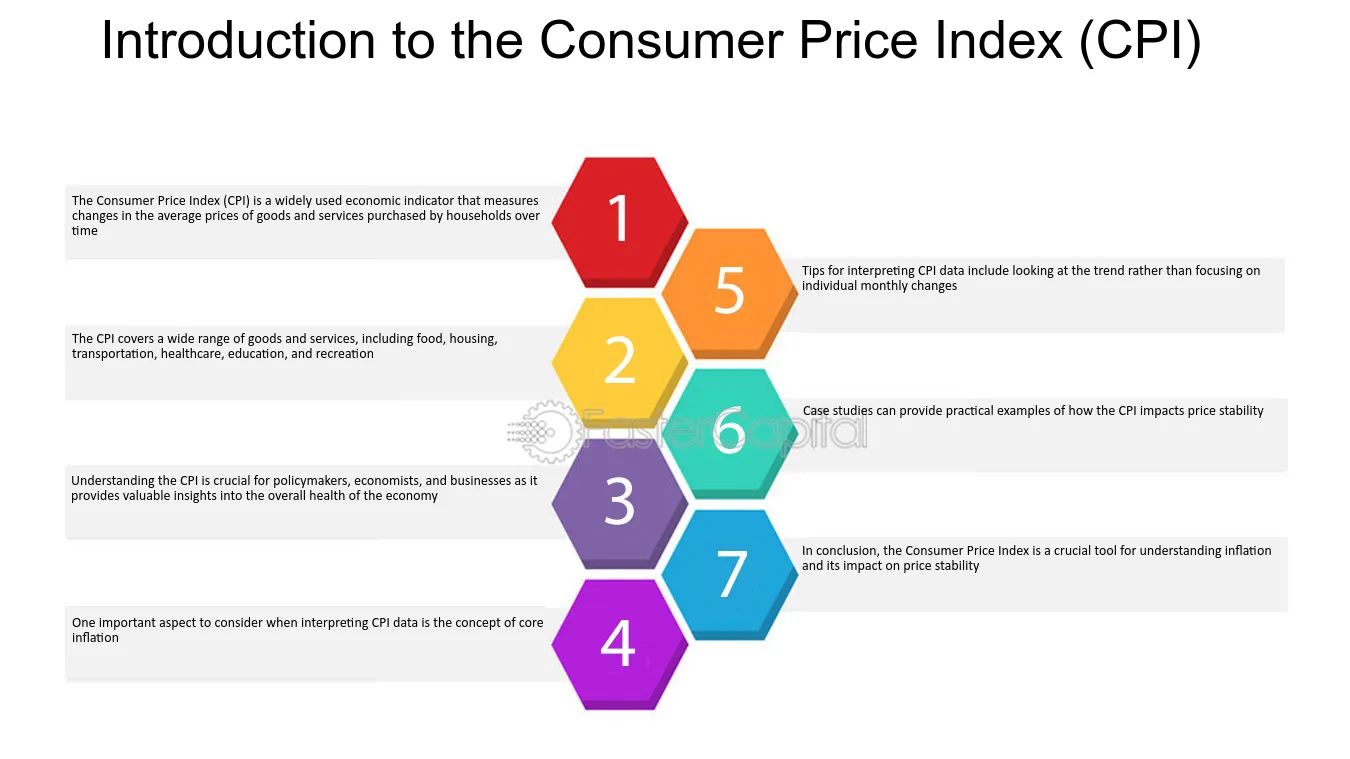
The Consumer Price Index (CPI) is one of the most widely used economic indicators, tracking changes in the cost of goods and services over time. It serves as a measure of inflation, influencing key financial decisions at both personal and governmental levels. From wage adjustments to pension increases and government policies, CPI plays a crucial role in shaping economic stability and financial well-being. Economic analysts, including Kavan Choksi UK, highlight the importance of understanding CPI trends to anticipate changes in purchasing power, financial planning, and economic policy adjustments.
CPI and Wages
Inflation, as measured by CPI, directly impacts wages and salaries. When CPI rises, the cost of living increases, meaning workers require higher wages to maintain their standard of living. Many employers, particularly in sectors with strong labour unions, adjust salaries in line with CPI to ensure workers can afford basic necessities.
However, wage adjustments often lag behind inflation, causing a temporary decline in real income. If wages do not keep up with CPI growth, employees experience a reduction in purchasing power, making it harder to afford essentials such as food, housing, and transportation. Governments may intervene by increasing minimum wages to prevent significant disparities between earnings and living costs.
CPI and Pensions
Pension payments, particularly those provided by the government or linked to workplace schemes, are often adjusted based on CPI. This ensures that retirees receive sufficient income to cope with rising prices. In many countries, pension schemes include a cost-of-living adjustment (COLA), which aligns pension payments with inflation to maintain retirees’ purchasing power.
For example, if CPI increases by 3% in a given year, pension payments may also rise by 3% to keep up with inflation. Without such adjustments, retirees would experience a steady decline in financial stability, as fixed incomes would not cover the rising costs of essential goods and services.
CPI and Government Policies
Governments rely on CPI data to shape various policies, including monetary and fiscal measures aimed at controlling inflation and supporting economic stability. Some of the key ways CPI influences government decisions include:
- Monetary Policy – Central banks, such as the Bank of England, adjust interest rates based on CPI trends. If inflation is too high, interest rates may be raised to reduce spending and slow inflation. Conversely, if inflation is too low, rates may be lowered to encourage borrowing and economic growth.
- Social Benefits Adjustments – Government welfare programmes, including unemployment benefits and disability payments, often increase in line with CPI to ensure recipients can afford basic living expenses.
- Tax Brackets and Allowances – Some governments adjust tax brackets and personal allowances based on CPI to prevent inflation from pushing individuals into higher tax bands unfairly.
Final Thoughts
The Consumer Price Index plays a crucial role in determining wages, pensions, and government policies. Understanding its impact allows individuals to anticipate changes in their financial situation, while policymakers use CPI data to make informed decisions about economic management. By closely monitoring inflation trends, governments, businesses, and individuals can adapt to economic shifts and ensure financial stability.
