

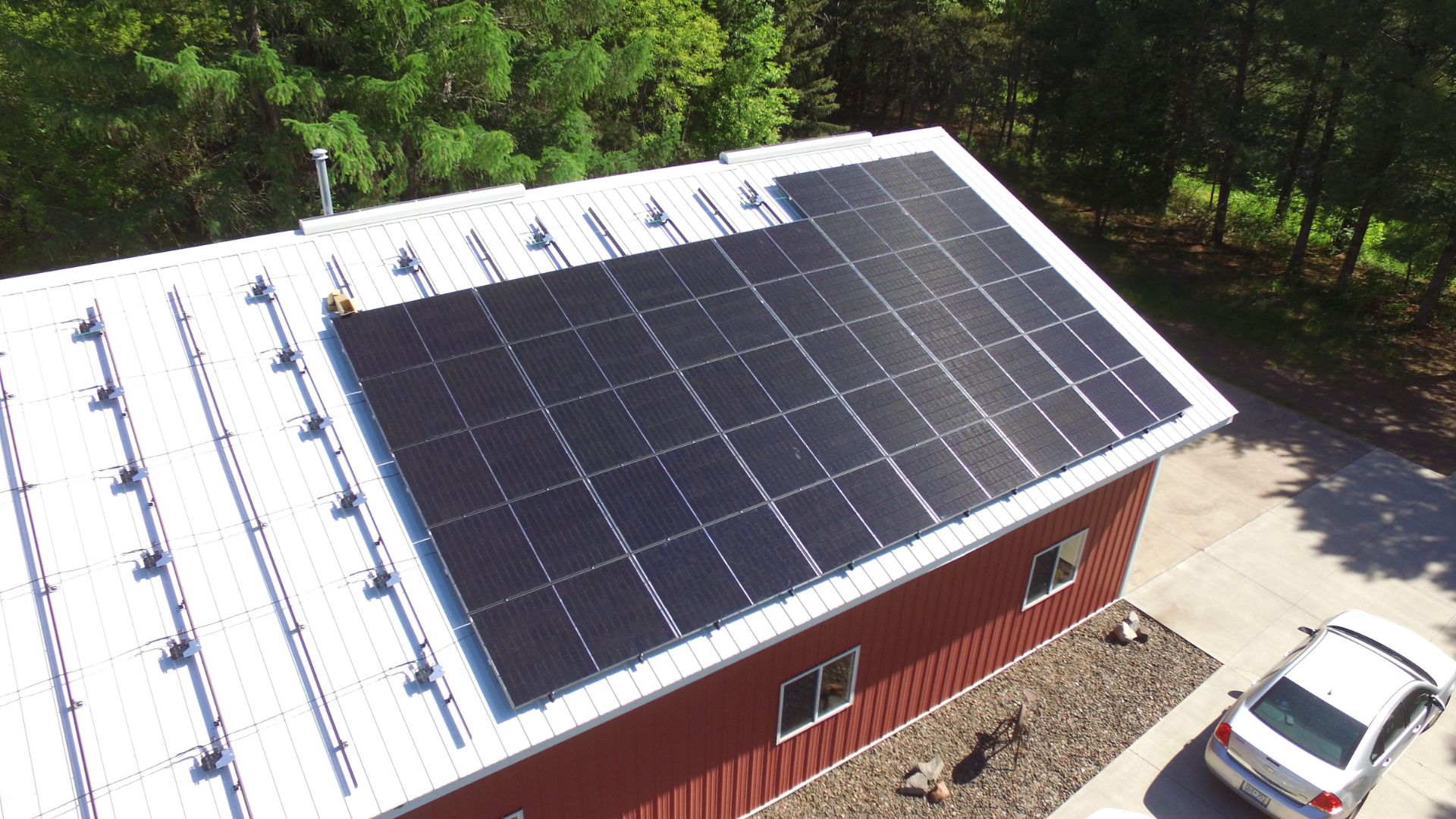
Solar energy has become a practical solution for homeowners looking to lower utility costs and live more sustainably. While the promise of long-term savings is a strong motivator, the upfront investment in solar panels can be substantial. Understanding solar panel warranties plays an important role in evaluating the overall value of a home solar system. Freedom Forever, a residential solar provider, offers warranty education as part of its broader effort to help homeowners protect their solar investments.
Solar panels are designed to last 25 years or longer, but exposure to the elements and occasional manufacturing defects can lead to performance issues over time. Strong warranty protection helps homeowners manage repairs, preserve energy output, and avoid costly out-of-pocket expenses.
According to the Solar Energy Industries Association, more than 5 million U.S. homes now use solar energy, and that number is expected to triple by 2034. With such growth, ensuring product quality and customer confidence has taken center stage across the industry.
Types of Solar Warranties: What Homeowners Should Know
Solar panel warranties generally fall into two categories: product warranties and performance warranties. Product warranties protect against defects in materials or installation, usually lasting between 10 and 25 years. Performance warranties guarantee that panels will deliver a certain level of output over time, often ensuring at least 80 to 90% of the original production after 25 years.
Knowing what each warranty covers helps homeowners plan for long-term reliability and understand what steps to take if performance drops unexpectedly.
Why Warranties Are Critical for Solar Investments
Investing in solar power is not just about short-term savings. Homeowners depend on their systems to deliver steady performance for years, and problems like a faulty panel or inverter can affect both energy production and long-term costs.
Warranties help protect against unexpected repair or replacement expenses. If a covered issue arises, warranty coverage can limit or eliminate the financial impact. Without it, homeowners may face costly out-of-pocket repairs. A warranty also sets clear expectations for system performance over time, helping homeowners plan more confidently for future energy savings.
Key Factors to Review in a Solar Warranty
Before installing a solar system, it is important to review the warranty terms carefully. Coverage can vary by manufacturer, and a few key details can make a major difference in long-term reliability.
- Duration: Longer warranty periods often reflect greater confidence in the product’s quality.
- Performance benchmarks: Look for clear output guarantees at major milestones, such as 10 or 25 years.
- Coverage details: Some warranties cover only the panels, while others include labor, shipping and monitoring equipment.
- Transferability: A transferable warranty can make a home more attractive to future buyers.
- Installer warranties: Some installers offer separate coverage for installation quality and system assembly.
Clear warranty terms help homeowners protect their investment, reduce the risk of unexpected costs, and feel more confident about long-term system performance.
The Role of the Installer in Warranty Support
Although manufacturers provide the warranties, installers often play a key role in helping homeowners use them. A skilled installer can explain the terms clearly, help submit claims if needed and coordinate repairs or replacements.
Some companies also offer installation warranties, covering installation issues like roof penetration or wiring problems. This extra protection highlights the value of choosing an experienced and reliable installer.
Working with a knowledgeable team makes it easier to resolve any problems quickly and helps homeowners get the full benefit of their warranty coverage.
The Financial Implications of Warranty Coverage
Solar panels offer a way for homeowners to control energy costs over the long term, but the financial benefits depend on how well the system holds up over time. If a panel fails and is not covered under warranty, homeowners may face unexpected repair expenses that can diminish long-term savings.
Strong warranty coverage helps reduce this risk. With major components protected, homeowners can plan energy costs more confidently and avoid surprises. Some warranty plans even extend to inverters, which typically have shorter operational lifespans than the panels themselves.
Choosing a system with comprehensive warranty protections lowers the financial risks associated with repairs and supports more consistent returns over the life of the system.
Warranties as Indicators of Product Quality
Warranties often serve as a reflection of product quality. Companies willing to back their solar panels with longer or more comprehensive warranties are typically confident in the longevity of their equipment. This added level of assurance can be a useful factor when comparing multiple systems or providers.
While certain systems might offer lower initial costs, weaker warranty coverage could mean higher maintenance expenses in the future. For many homeowners, it makes sense to balance affordability with long-term reliability.
A system backed by strong warranties is more likely to meet expectations over its full operating life, making the investment more secure and predictable.
Navigating a Range of Warranty Options
When exploring different solar providers, homeowners may encounter a wide range of warranty options. A good installer explains the terms clearly, outlines what protections are included and helps homeowners understand how warranty coverage supports long-term system reliability.
Freedom Forever, for example, provides warranty information during the consultation process to help homeowners make informed decisions about system performance and maintenance over time.
Clear warranty guidance helps homeowners choose the right equipment and understand how to maintain system performance over time, supporting both the reliability and value of their solar investment.
Using Warranties to Support System Longevity
Homeowners who take time to understand their solar warranties are better positioned to protect the value of their systems over time. Monitoring energy output, addressing performance issues early and keeping warranty documentation organized all play an important role in making the most of warranty coverage. Most solar monitoring platforms allow users to track system performance in real-time, making it easier to spot problems as they develop. If output drops unexpectedly, quick action can help ensure that warranty protections are still valid and that repairs or replacements happen with minimal disruption.
Staying proactive about maintenance and warranty usage helps homeowners avoid potential issues that could affect long-term energy savings. Keeping an eye on system performance, documenting any concerns and responding promptly to changes can make warranty protections a working part of the system’s overall reliability, rather than an afterthought.
Why Solar Warranties Are a Smart Part of Long-Term Planning
A solid solar warranty protects system performance, guards against unexpected repair costs and helps preserve the long-term value of a solar investment. Without strong coverage in place, even a minor equipment failure could lead to significant expenses that erode future savings.
By taking time to understand warranty terms, compare available options and work with experienced installers, homeowners can choose systems that align with both their energy goals and their expectations for reliability. Building warranty protections into the decision-making process adds another layer of stability, helping solar energy remain a dependable, cost-effective solution for years to come.
