

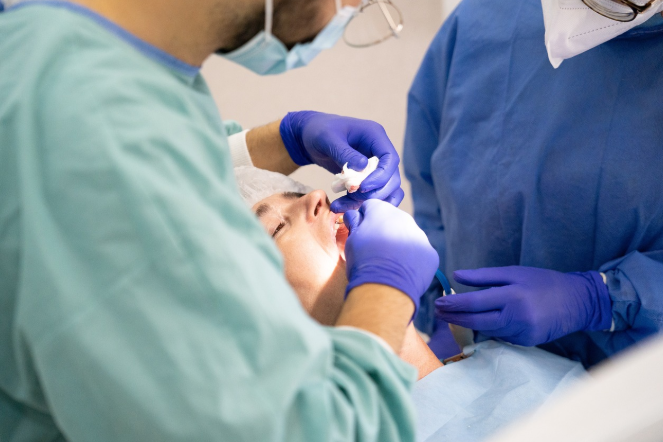
Oral surgery can be rather frightening. Oftentimes, procedures can lead to discomfort and pain. Nevertheless, effective pain management can significantly contribute to an enhanced recovery. Hence, it becomes imperative to understand fully what to do for postoperative pain. This will facilitate a smooth healing process.
What is Post-Surgery Pain?
Pain after the surgery can vary in intensity from individual to individual. Patients may suffer from severe pain after oral surgery as a result of different complications. The most significant determinants are the type of surgery and pain tolerance. Knowing what one might expect will help prepare you for this, mentally and physically.
Follow Your Dentist’s Instructions
Your orthodontist in Palm Beach Gardens will give detailed instructions on caring for yourself post-operation. Precise guidelines usually consist of medication, dietary habits, and restrictions on activities. Following these guidelines would be very remedial and pain-minimizing during the recovery period.
Use Pain Medications Wisely
Pain relief medications are essential after surgery. Other pharmacies may offer stronger medications than your dentist-prescribed ibuprofen or acetaminophen over the counter. You must follow your dentist’s prescriptions regarding their use. Avoid excessive ingestion, since it is harmful and could produce undesirable side effects.
Apply Ice Packs
Use of an ice pack can be effective for pain and swelling. Applying it for 15 to 20 minutes is recommended. The ice will numb the pain and reduce inflammation. Apply them several times daily for the first 48 hours after surgery.
Maintain A Soft Diet
According to research, special diets can also help with pain management. After surgery, stick to a soft diet for the first few days. Soft foods, such as yogurt, mashed potatoes, and smoothies, work best. Stay away from hard, crunchy, or spicy foods; these may irritate the surgical area.
Stay Hydrated
Hydration is vital during recovery as the body has to intake a lot of water. Dryness after surgery causes discomfort in the mouth, hence staying hydrated would aid in healing and help to lower pain.
Practice Good Oral Hygiene
Oral hygiene should also be maintained even after surgery. With warm salty water, rinse your mouth to help clean the area. Avoid hard swishing as it unbalances healing tissues. Good oral hygiene will limit infections that might add pain and prolong healing.
Rest and Recovery
Allow your body to heal. You should take good rest after you had oral surgery. Please note that none of the typical vigorous activities should be carried out for a couple of days at least. Give your body a chance to rest. If you feel tired, rest and allow complete recovery.
Seek Help When Necessary
Finally, visit your dentist if pain persists or gets worse. The dentist will help you and might look into the healing process. It is always better to intervene than to wait for complications.
Pain relief following oral surgery eases recovery. Always follow the dentist’s instructions, resort to pain relief, and keep health in mind to ensure proper recovery. If anything is unclear, go back and consult the dentist; surely your health is worth it!
